








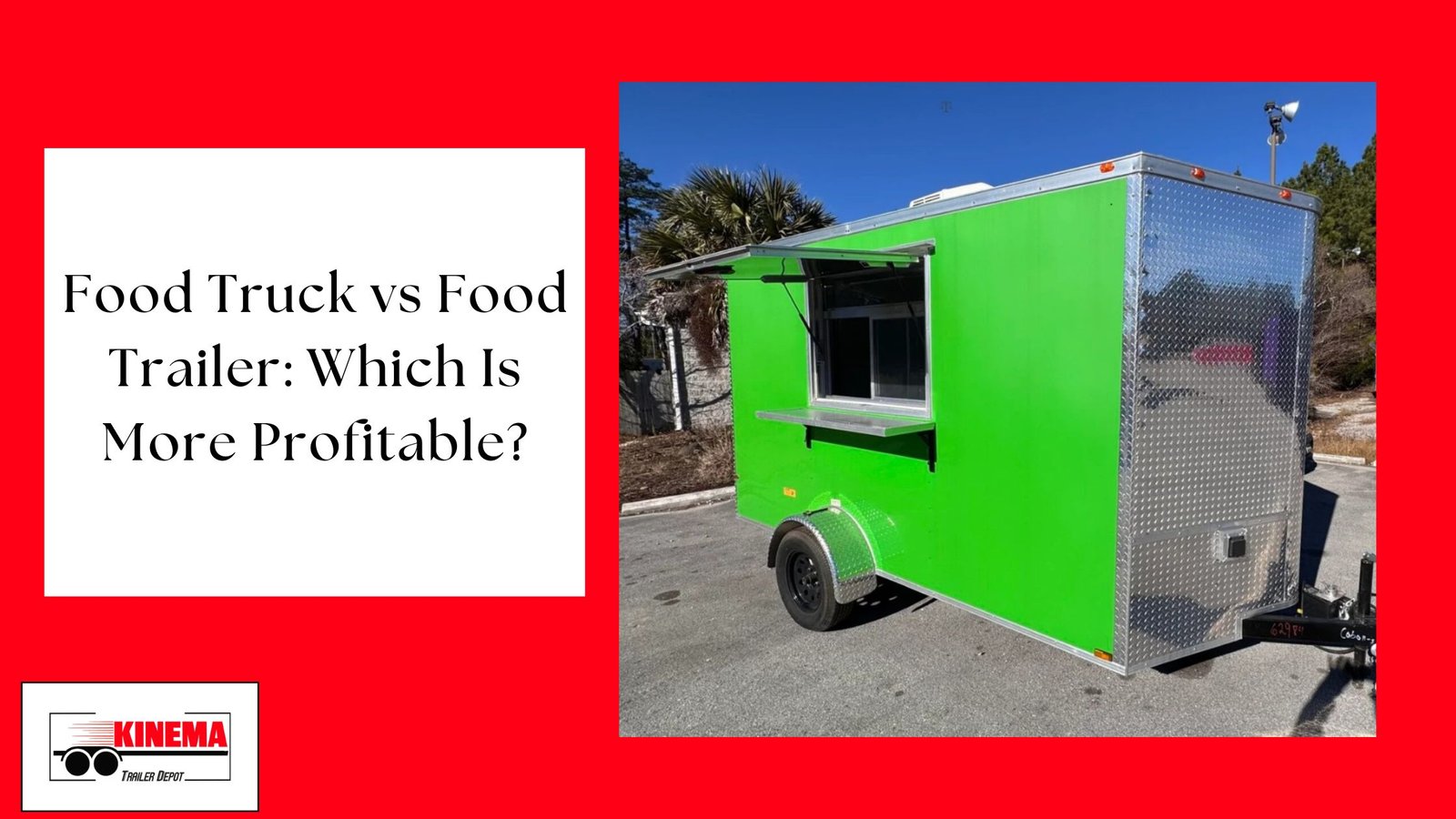
If you’re planning to start a mobile food business, this is the first thing you might think of:
Should I buy a food truck or a food trailer?
Both look similar from the outside. Both serve food on the move. Both promise lower costs than a full restaurant. But when you dig into profitability, the differences matter- a lot.
This article breaks down the decision from a business point of view, not a branding or lifestyle angle. We’ll look at costs, revenue potential, flexibility, risks, and long-term math to answer one core question:
Which option actually makes more financial sense for most operators?
Understanding the Basics First
Before comparing profits, it helps to define what we’re actually talking about.
What Is a Food Truck?
A food truck is a fully self-contained vehicle with a built-in kitchen. Engine, driving system, cooking equipment- everything lives in one unit.
You drive it to the location, serve, and drive away.
What Is a Food Trailer?
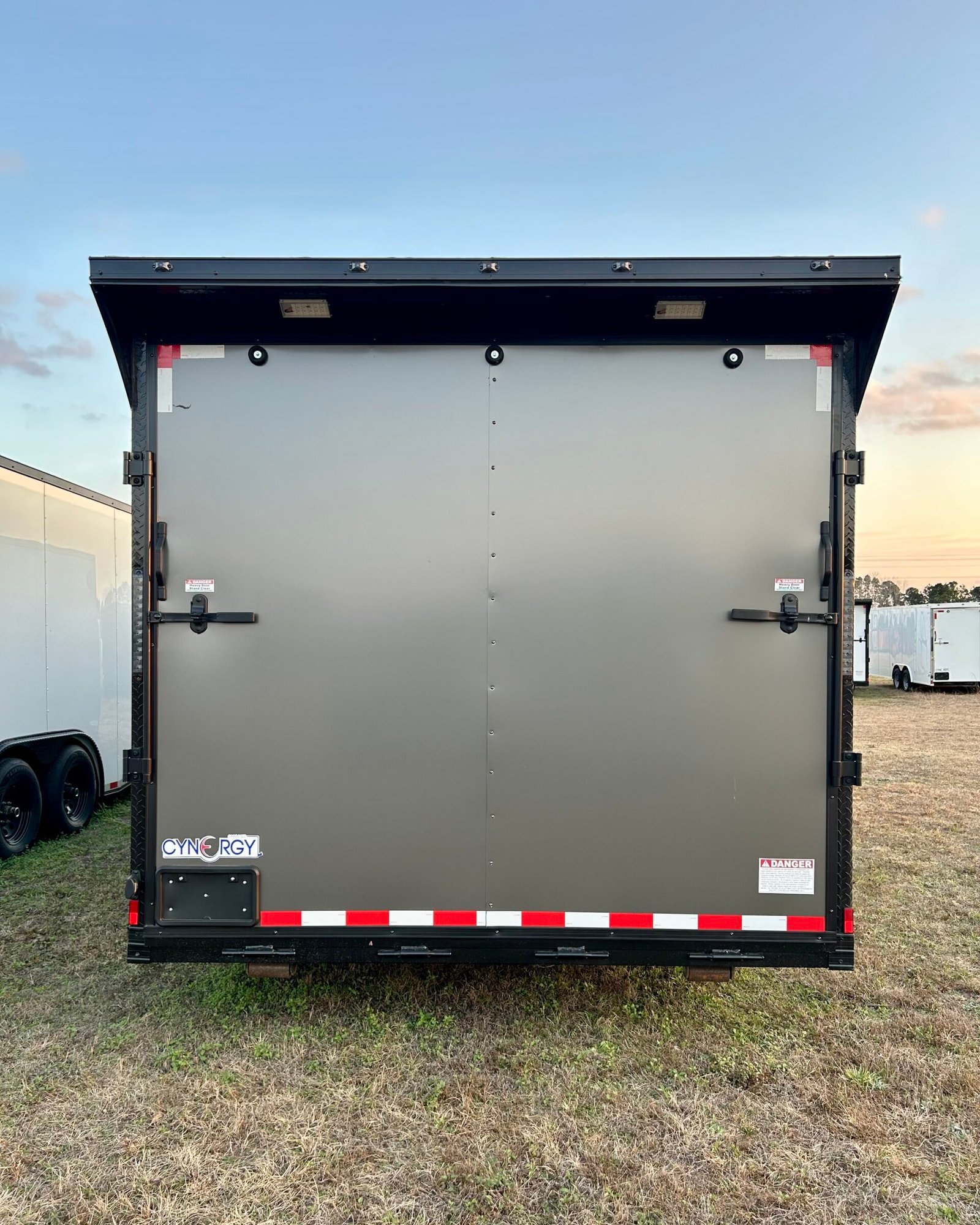
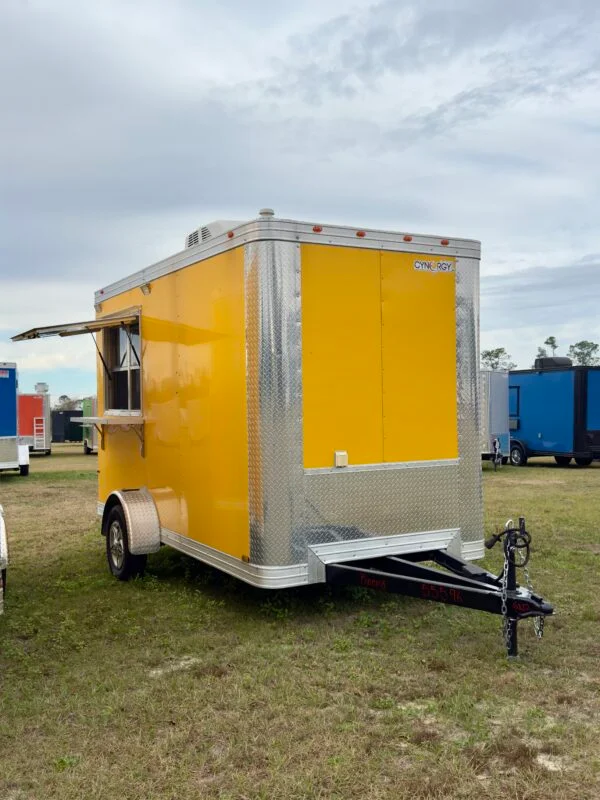
A food trailer is a towable kitchen unit that attaches to a separate vehicle. The trailer handles food prep and service. A truck or SUV handles transportation.
Once parked, the trailer stays put. The towing vehicle can be detached.
That structural difference is the root of most profitability differences.
Startup Costs: Where the Gap Starts
Startup cost is the first and most obvious divider.
Food Truck Startup Costs
A realistic range (USD):
- Used food truck: $40,000–$80,000
- New custom truck: $80,000–$150,000+
- Permits, licenses, inspections: $5,000–$15,000
- Initial inventory + setup: $5,000–$10,000
Typical total: $55,000 to $160,000+
On top of that, you’re buying a vehicle that will depreciate and require ongoing mechanical care.
Food Trailer Startup Costs
A realistic range:
- Used food trailer: $20,000–$40,000
- New custom food trailer: $35,000–$70,000
- Permits, licenses, inspections: $5,000–$12,000
- Towing vehicle (if not already owned): varies
Typical total: $25,000 to $80,000 (excluding towing vehicle if you already have one)
For most first-time operators, a Food Trailer requires significantly less upfront capital.
That lower entry point alone changes the profitability timeline.
Ongoing Operating Costs: Where Profit Is Made or Lost
Startup cost matters, but long-term profitability depends on monthly expenses.
Fuel and Transportation Costs
Food Truck:
- Fuel for driving + serving
- Higher fuel consumption
- Engine wear every time you move locations
Food Trailer:
- Fuel only when towing
- Tow vehicle can be used for other purposes
- Less mechanical strain on the kitchen unit itself
Over a year, transportation costs for a food truck are typically much higher.
Maintenance and Repairs
This is where food trucks quietly bleed money.
Food Truck maintenance includes:
- Engine
- Transmission
- Brakes
- Suspension
- Generator
- Kitchen equipment
One breakdown can shut down your entire business.
Food Trailer maintenance includes:
- Tires
- Axles
- Brakes
- Generator
- Kitchen equipment
Notice what’s missing: engine and drivetrain.
That separation reduces both repair frequency and downtime risk.
Insurance Costs
Food truck insurance usually costs more because:
- It covers a motor vehicle
- It includes commercial driving liability
Food trailer insurance is often cheaper, especially when insured separately from the tow vehicle.
Lower fixed costs = easier profitability.
Revenue Potential: Are Food Trucks More Profitable?
This is where many people assume food trucks win.
They can– but not automatically.
Mobility vs Stability
Food Trucks
- Can move quickly between locations
- Can chase crowds and events
- Can reposition mid-day if needed
Food Trailers
- Usually stay in one location per service period
- Often operate at:
- breweries
- permanent lots
- fairs
- private events
- long-term leases
- breweries
Mobility helps revenue only if:
- locations are available
- permits allow movement
- fuel and time costs don’t cancel gains
In reality, many food trucks park in the same few spots anyway.
Event Economics
For festivals and private events:
- Both food trucks and food trailers can charge premium prices
- Both can sell high volume
But food trailers often:
- stay on-site longer
- require less setup time once parked
- face fewer mechanical risks during events
Profit margin depends more on menu, pricing, and operations than on the vehicle type.
Setup, Tear-Down, and Labor Efficiency
Profit isn’t just revenue. It’s how efficiently you earn it.
Daily Setup Differences
Food Truck:
- Drive in
- Level the vehicle
- Start generator
- Set service window
Food Trailer:
- Park
- Level trailer
- Unhook tow vehicle
- Start generator
Setup times are similar, but trailers win in one key area:
If something goes wrong with the tow vehicle, the kitchen still works.
That separation reduces operational risk.
Licensing and Zoning Realities
This part is often overlooked and can make or break profitability.
City and County Rules
Some cities:
- restrict food truck movement
- limit parking duration
- require special mobile permits
Food trailers are sometimes treated more like temporary structures, especially when parked long-term on private property.
That can mean:
- fewer relocations
- more predictable schedules
- easier compliance
Rules vary widely, but Food Trailer businesses often face fewer movement-related restrictions.
Storage and Off-Hours Costs
Where does your unit go when you’re not operating?
Food Truck Storage
- Needs secure parking
- Often requires commercial lot space
- Insurance risks if left on the street
Food Trailer Storage
- Can be stored on private property
- Can stay at a partner location
- Lower theft and damage risk
Storage costs directly affect monthly profit.
Depreciation: The Quiet Profit Killer
This is where food trailers quietly outperform food trucks.
Food Truck Depreciation
You’re combining:
- a vehicle
- a kitchen
Vehicles lose value quickly. Kitchens don’t- if maintained well.
Over 5–7 years, many food trucks lose a large portion of their resale value.
Food Trailer Depreciation
Food trailers depreciate much more slowly.
Why?
- No engine wear
- Fewer mechanical failures
- Longer usable life
From an asset perspective, a Food Trailer holds value better, which matters if you plan to sell or upgrade.
Staffing and Scaling
Staffing Needs
Both models require similar kitchen staff.
But trailers allow:
- easier multi-unit scaling
- simpler replication
- shared tow vehicles across multiple trailers
That flexibility matters if you plan to grow beyond one unit.
Profit Margin Comparison (Realistic View)
While exact numbers vary, a general comparison looks like this:
| Factor | Food Truck | Food Trailer |
| Startup Cost | High | Lower |
| Maintenance Cost | High | Lower |
| Fuel Cost | Higher | Lower |
| Downtime Risk | Higher | Lower |
| Resale Value | Lower | Higher |
| Scaling Ease | Moderate | Easier |
This doesn’t mean food trucks can’t be profitable.
It means food trailers often reach profitability faster and with less financial pressure.
When a Food Truck Makes More Sense
A food truck may be the better choice if:
- you rely heavily on daily movement
- your city favors truck permits
- your concept depends on spontaneity
- you already own a suitable truck
- branding and visibility matter more than margins
In high-traffic urban zones, mobility can justify the cost.
When a Food Trailer Is the Smarter Business Move
A Food Trailer often wins when:
- you want lower startup risk
- you prefer predictable locations
- you plan to scale gradually
- you value long-term asset value
- you want fewer mechanical surprises
For many first-time operators, trailers offer a safer learning curve.
The Real Profit Driver Isn’t the Vehicle
Here’s the quiet truth:
The most profitable mobile food businesses win because of:
- menu design
- pricing discipline
- portion control
- speed of service
- location selection
- repeat customers
The vehicle supports the business- it doesn’t define it.
But starting with lower costs and fewer risks makes all of those things easier to manage.
Final Verdict: Which Is More Profitable?
For most operators, especially those starting out:
A Food Trailer is usually more profitable over time.
Not because it earns more per day- but because it:
- costs less to own
- breaks down less often
- holds value longer
- creates fewer financial surprises
Food trucks can work very well in the right conditions.
But food trailers tend to win on stability, margins, and long-term sustainability.
And in small businesses, sustainability is profitability.
Also Read: Top Mobile Kitchen Trailer Features to look for
FAQS
1. Is a food trailer cheaper to run than a food truck?
In most cases, yes. A food trailer usually has lower fuel costs, fewer mechanical repairs, and cheaper insurance. Because the kitchen is separate from the vehicle, breakdowns are less frequent and less expensive.
2. Can a food trailer make as much money as a food truck?
Yes. Revenue depends more on menu, pricing, and location than on whether you use a truck or a trailer. Many food trailers earn the same- or more- than food trucks when placed in strong, consistent locations.
3. Do food trailers face fewer legal restrictions than food trucks?
Often, yes. Many cities have stricter rules around food truck movement and parking. Food trailers operating on private property or long-term sites may face fewer relocation and time-limit restrictions, though local regulations always apply.
4. Is a food trailer harder to move between locations?
It takes slightly more planning, but it’s rarely a deal-breaker. Once parked and set up, food trailers are stable and efficient. For businesses that don’t need to move multiple times per day, the difference is minimal.
5. Which option is better for first-time food business owners?
For most beginners, a food trailer is the safer starting point. Lower startup costs, reduced mechanical risk, and better resale value make it easier to reach profitability without constant financial pressure.
About Author: