







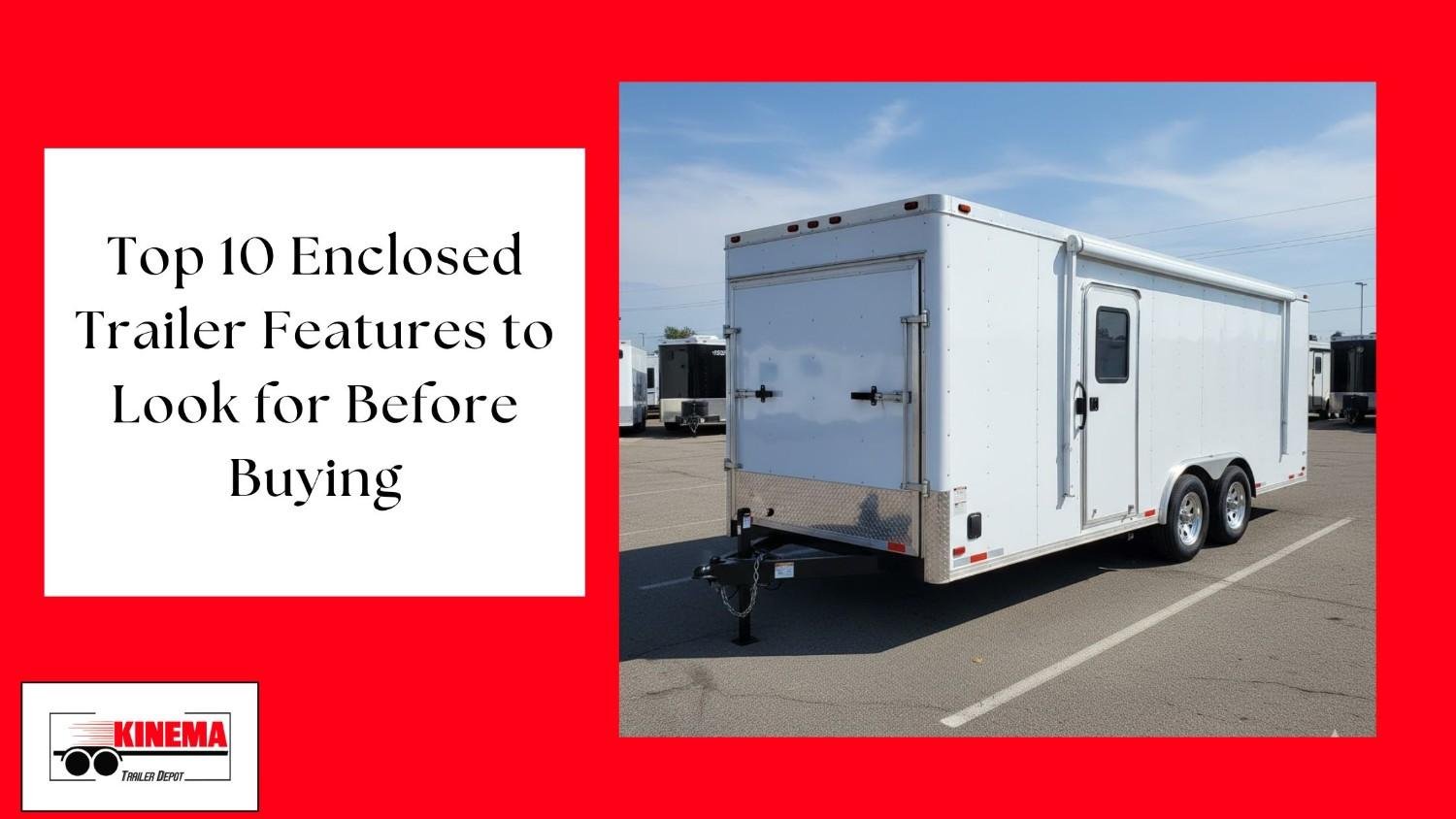
In 2025, the global trailers market was valued at over $64.61 billion, and enclosed trailers accounted for a rapidly growing share as businesses and individuals started prioritising cargo security and weather protection.
According to industry safety data, unsecured or poorly protected cargo causes billions in losses every year, especially during long distance hauling.
For buyers entering this market, understanding the enclosed trailer features is no longer optional but a necessity to prevent future damages.
It is the difference between a trailer that lasts for decades and one that becomes a constant repair expense.
Whether you are a contractor, motorsports enthusiast, mobile business owner, or weekend hauler, choosing the right enclosed trailer means looking far beyond price.
This guide breaks down the top ten features you should look for before making a purchase.
Why Enclosed Trailer Features Matter More Than Ever?
Enclosed trailers have evolved significantly in the past decade.
Buyers now expect more than a simple box on wheels. They want better security, improved towing stability, longer service life, and customization options that align with specific use cases.
With fuel prices fluctuating and transportation regulations tightening, a well designed trailer can also save money over time through efficiency and durability.
Understanding these features upfront helps prevent common regrets such as insufficient payload capacity, poor ventilation, or premature corrosion.
The following sections outline the ten most important enclosed trailer features that should influence your buying decision.
Top 10 Enclosed Trailer Features
1. Structural Frame and Construction Quality
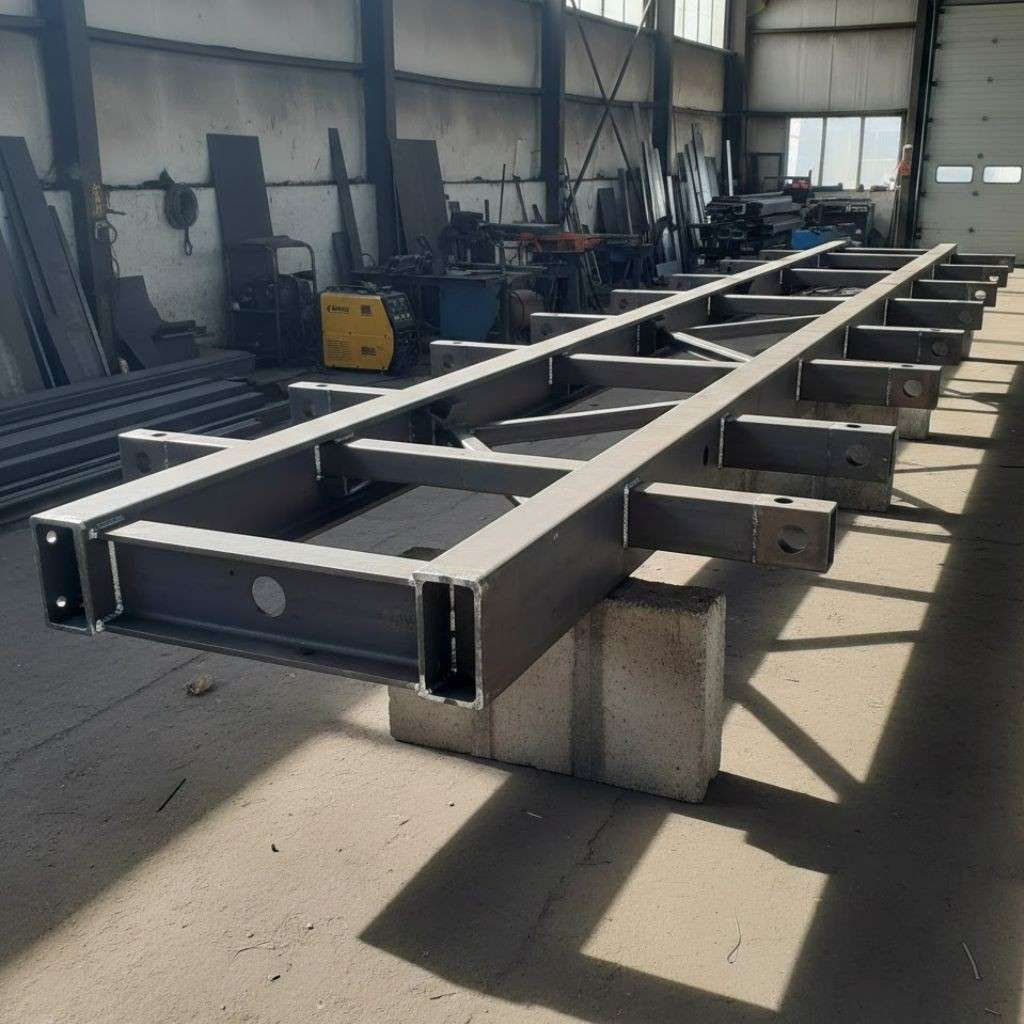
The first enclosed trailer features to look for are the frame and construction built quality of trailers.
The foundation of any enclosed trailer is its frame.
Most high quality trailers use steel or aluminum frames, each with distinct advantages.
Steel frames are known for strength and affordability, making them popular for heavy duty hauling.
Aluminum frames offer lighter weight and better resistance to corrosion, which improves fuel efficiency and long term value.
Pay close attention to weld quality and crossmember spacing.
Consistent welds and properly spaced supports increase load distribution and reduce flexing during transit.
A poorly constructed frame can lead to alignment issues, uneven tire wear, and eventual structural failure.
2. Exterior Material and Corrosion Resistance
Moving ahead from the structure and frame we should the exterior skin of an enclosed trailer which directly affects durability and maintenance costs.
Common materials include aluminum sheets, galvanized steel, and painted steel panels.
Aluminum is lightweight and naturally corrosion resistant, making it ideal for humid or coastal environments.
Galvanized steel offers excellent rust protection but adds weight.
Painted steel trailers may look appealing initially, but low quality paint can chip and expose metal to rust. .
Buyers should look for sealed seams, treated fasteners, and proper weatherproofing.
These details prevent moisture intrusion, which is one of the leading causes of long term damage.
3. Payload Capacity and Gross Vehicle Weight Rating
Payload capacity is one of the most misunderstood enclosed trailer features. .
The Gross Vehicle Weight Rating, or GVWR, represents the maximum total weight the trailer can safely handle, including cargo and the trailer itself.
Exceeding this limit can lead to braking issues, suspension failure, and legal penalties.
Buyers should calculate their typical and maximum loads carefully. It is wise to choose a trailer with extra capacity rather than operating near the limit.
This approach improves safety and extends the lifespan of axles, tires, and brakes.
Also Read: How to Properly Distribute Carrying Capacity of Trailers?
4. Axle Configuration and Suspension System
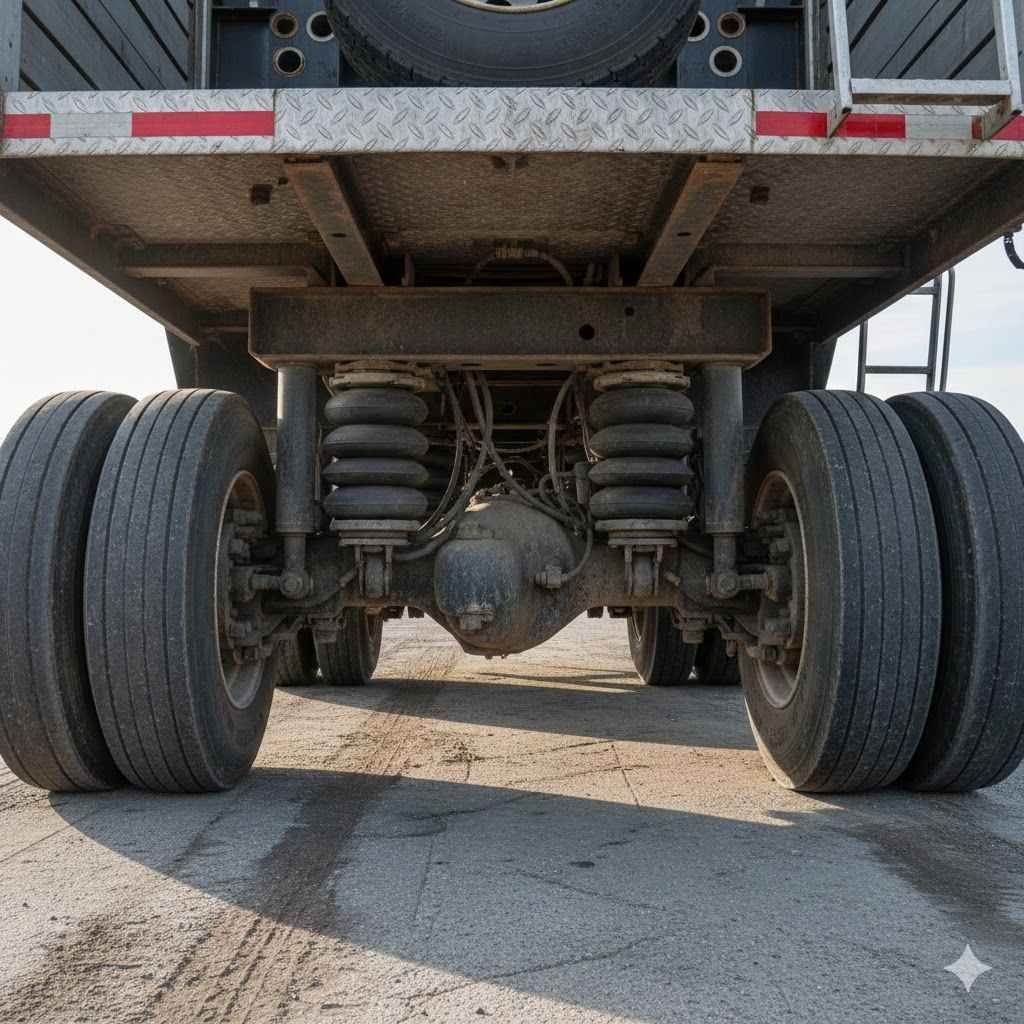
Axles play a critical role in how a trailer handles on the road.
Single axle trailers are lighter and easier to maneuver, making them suitable for smaller loads.
Tandem axle trailers provide better weight distribution, improved stability, and redundancy in case of tire failure.
Suspension systems also matter.
Leaf spring suspensions are common and reliable, while torsion axles offer a smoother ride and lower maintenance.
For buyers hauling sensitive equipment, suspension quality can significantly reduce vibration related damage.
Also Read: The Difference Between Single Axle and Tandem Axle
5. Door Types and Access Options
Door Types are the most essential features in enclosed trailers.
The type and placement of doors affect both convenience and functionality.
Rear ramp doors are popular for loading vehicles and wheeled equipment.
Barn doors are lighter and provide full vertical clearance.
Side doors add quick access without unloading the entire trailer.
When evaluating doors, inspect hinge strength, locking mechanisms, and weather seals.
A well designed door system improves daily usability and enhances security.
Poor seals can allow water and dust to enter, damaging cargo over time.
6. Interior Flooring and Wall Construction
Interior durability is often overlooked until it is too late.
Most enclosed trailers use plywood flooring treated for moisture resistance.
Thicker flooring provides better support for heavy loads and reduces flexing.
Some premium trailers offer composite or aluminum flooring for added longevity.
Wall construction also matters, especially for trailers used in commercial settings.
Reinforced walls allow for shelving, tie downs, and interior modifications.
Smooth interior surfaces are easier to clean and maintain, particularly for mobile businesses or food service applications.
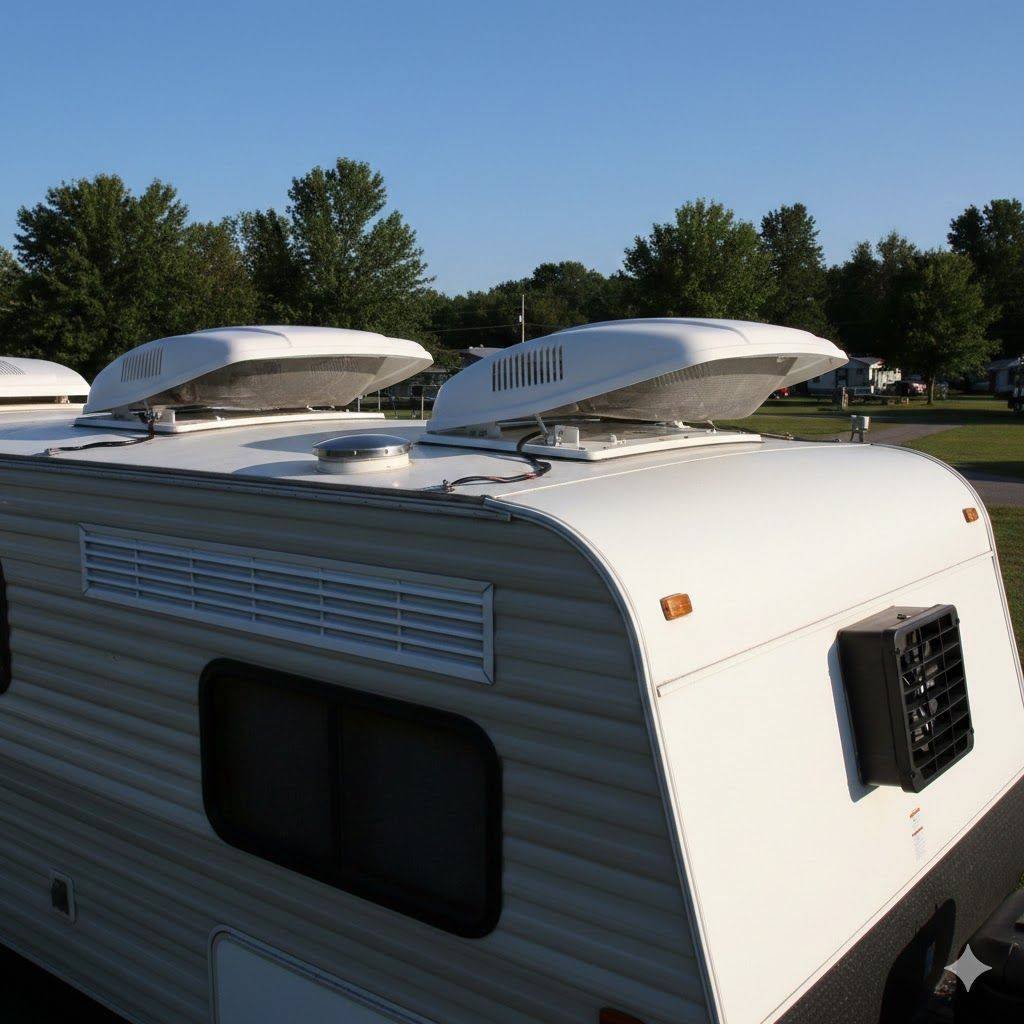
7. Ventilation and Climate Control
Proper ventilation is essential for protecting cargo and ensuring comfort.
Without adequate airflow, heat and moisture can build up inside the trailer, leading to mold, rust, and equipment damage.
Roof vents, side vents, and powered fans all contribute to better air circulation.
For trailers used in extreme climates, insulation becomes a valuable feature.
Insulated walls and ceilings help regulate internal temperature and reduce condensation.
This enclosed trailer feature is especially important for transporting electronics, vehicles, or perishable goods.
8. Security Features and Locking Systems
Cargo theft remains a significant concern across the transportation industry.
According to crime prevention studies, enclosed trailer without visible security features are more likely to be targeted.
Quality locks, reinforced door frames, and tamper resistant hardware provide an important deterrent.
Some buyers also add GPS tracking systems or alarm integrations.
While not always standard, trailers designed with security upgrades in mind offer greater peace of mind, particularly for overnight parking or long distance transport.
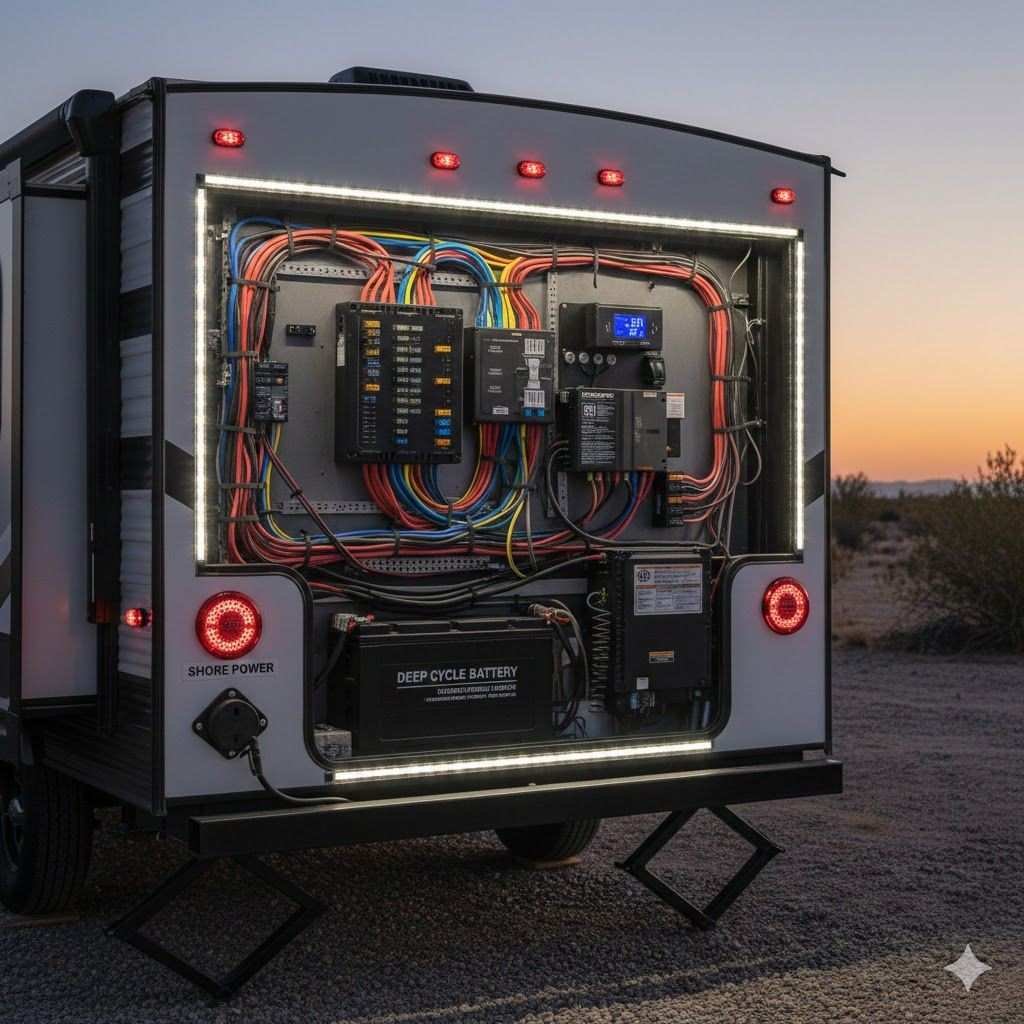
9. Lighting and Electrical Systems
Lighting affects both safety and usability.
Exterior LED lights improve visibility on the road and consume less power than traditional bulbs.
Interior lighting is equally important, especially for loading and unloading in low light conditions.
Electrical systems should be neatly wired and protected from moisture.
Buyers planning to add accessories such as winches, refrigeration units, or workstations should ensure the trailer supports electrical expansion.
Proper planning prevents costly retrofits later.
10. Customization and Future Flexibility
One of the most valuable enclosed trailer features is the ability to adapt over time.
Needs change, and a trailer that supports customization can grow with you.
Look for options such as adjustable tie rails, modular shelving, and reinforced mounting points.
Future flexibility also includes compatibility with different towing vehicles and compliance with local regulations.
A versatile trailer retains higher resale value and remains useful across multiple applications.
Comparison Table of Key Enclosed Trailer Features
| Feature Category | Basic Trailers | Mid Range Trailers | Premium Trailers |
| Frame Material | Painted steel | Galvanized steel | Aluminum or hybrid |
| Axle Setup | Single axle | Tandem axle | Tandem with torsion |
| Flooring | Thin plywood | Treated plywood | Composite or aluminum |
| Ventilation | Passive vents | Roof vents | Powered ventilation |
| Security | Standard latch | Reinforced locks | Multi point systems |
| Customization | Limited | Moderate | Extensive |
Final Thoughts
Buying an enclosed trailer is a long term investment that affects safety, efficiency, and peace of mind.
By focusing on essential Enclosed Trailer Features such as construction quality, payload capacity, security, and flexibility, buyers can make informed decisions that stand the test of time.
A thoughtful evaluation process reduces unexpected costs and ensures the trailer supports your goals rather than limiting them.
If you are exploring options or seeking guidance tailored to your specific needs, professionals like Kinema Trailer Depot LLC can serve as a knowledgeable resource.
Taking the time to consult experts and compare features carefully is a practical next step toward making a confident and well informed purchase.
Frequently Asked Questions
1. How do I know which enclosed trailer size is right for me?
Choosing the right size depends on both the physical dimensions of your cargo and its weight. Buyers should measure their largest items and account for loading space, tie downs, and airflow. It is generally better to select a slightly larger trailer than you think you need, as this provides flexibility and reduces stress on the trailer components.
2. Are aluminum enclosed trailers worth the higher upfront cost?
Aluminum trailers often cost more initially, but they offer advantages such as reduced weight, better corrosion resistance, and improved fuel efficiency. Over time, these benefits can offset the higher purchase price, especially for buyers who tow frequently or operate in harsh environments.
3. What enclosed trailer features are most important for long distance hauling?
For long distance use, focus on axle quality, suspension, braking systems, and ventilation. Stability and heat management become more critical over extended trips. High quality tires and proper weight distribution also contribute significantly to safety and performance.
4. Can enclosed trailers be modified after purchase?
Yes, many enclosed trailers can be modified with shelving, lighting, electrical upgrades, and security enhancements. However, it is easier and often more cost effective to choose a trailer that is designed with customization in mind from the start.
5. How long should a well built enclosed trailer last?
With proper maintenance, a high quality enclosed trailer can last twenty years or more. Longevity depends on construction quality, usage patterns, and environmental exposure. Regular inspections and timely repairs play a key role in extending service life.
About Author: