








Author: Kinema Trailers
-
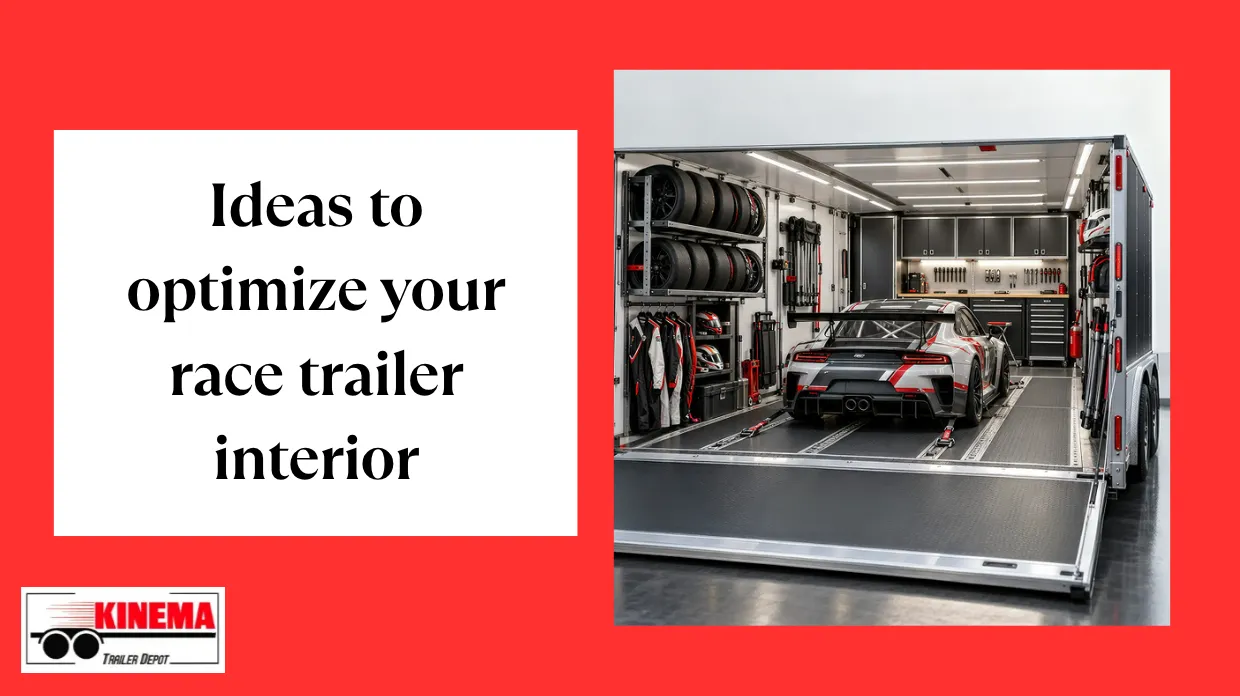
Ideas to optimize your race trailer interior
Quick Summary The best race trailer storage ideas make it easier to store tools, tires, spare parts, and racing gear without wasting valuable floor space. A well-planned race trailer layout can turn an enclosed trailer into an organized mobile workspace that is easier to load, use, and maintain. Plan storage based on how you use…
-
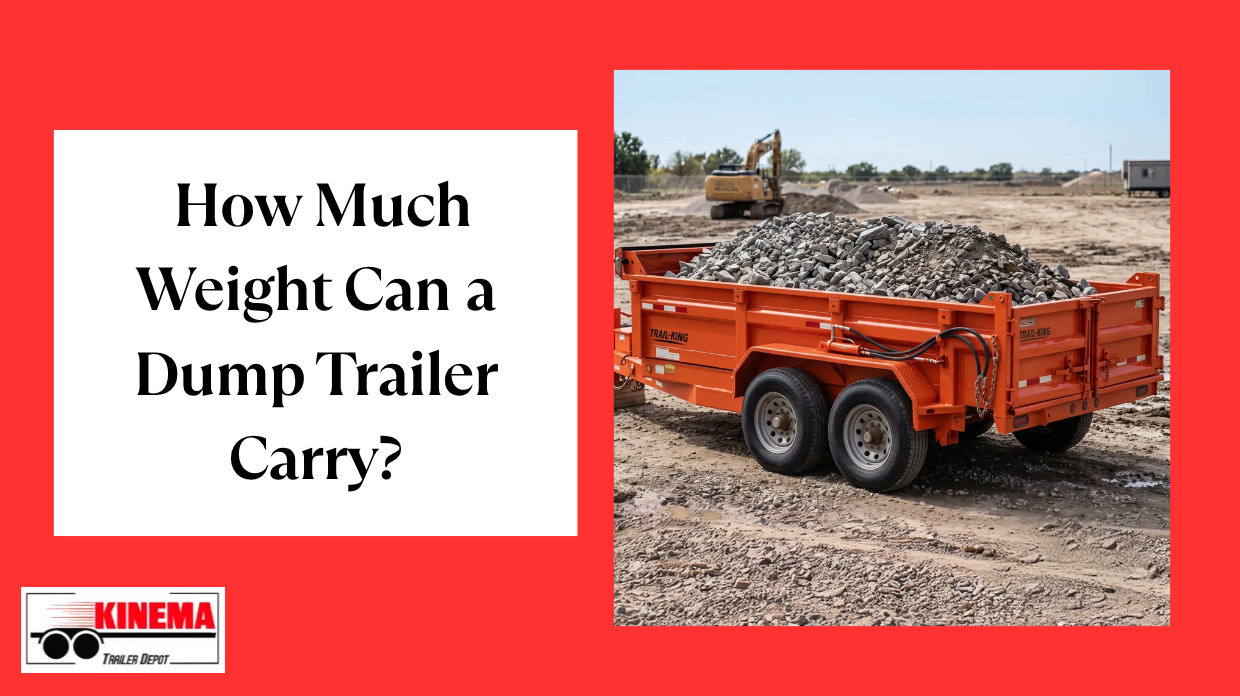

How Much Weight Can a Dump Trailer Carry?
Quick Summary A dump trailer’s weight capacity depends on the Gross Vehicle Weight Rating (Gight, tires/axles, suspension, construction, and payload. This can be calculated using the following simple formula: GVWR − Empty Weight of the Trailer = Payload Using this formula, a dump trailer with a 14,000-pound GVWR and an empty weight of 4,500 pounds…
-
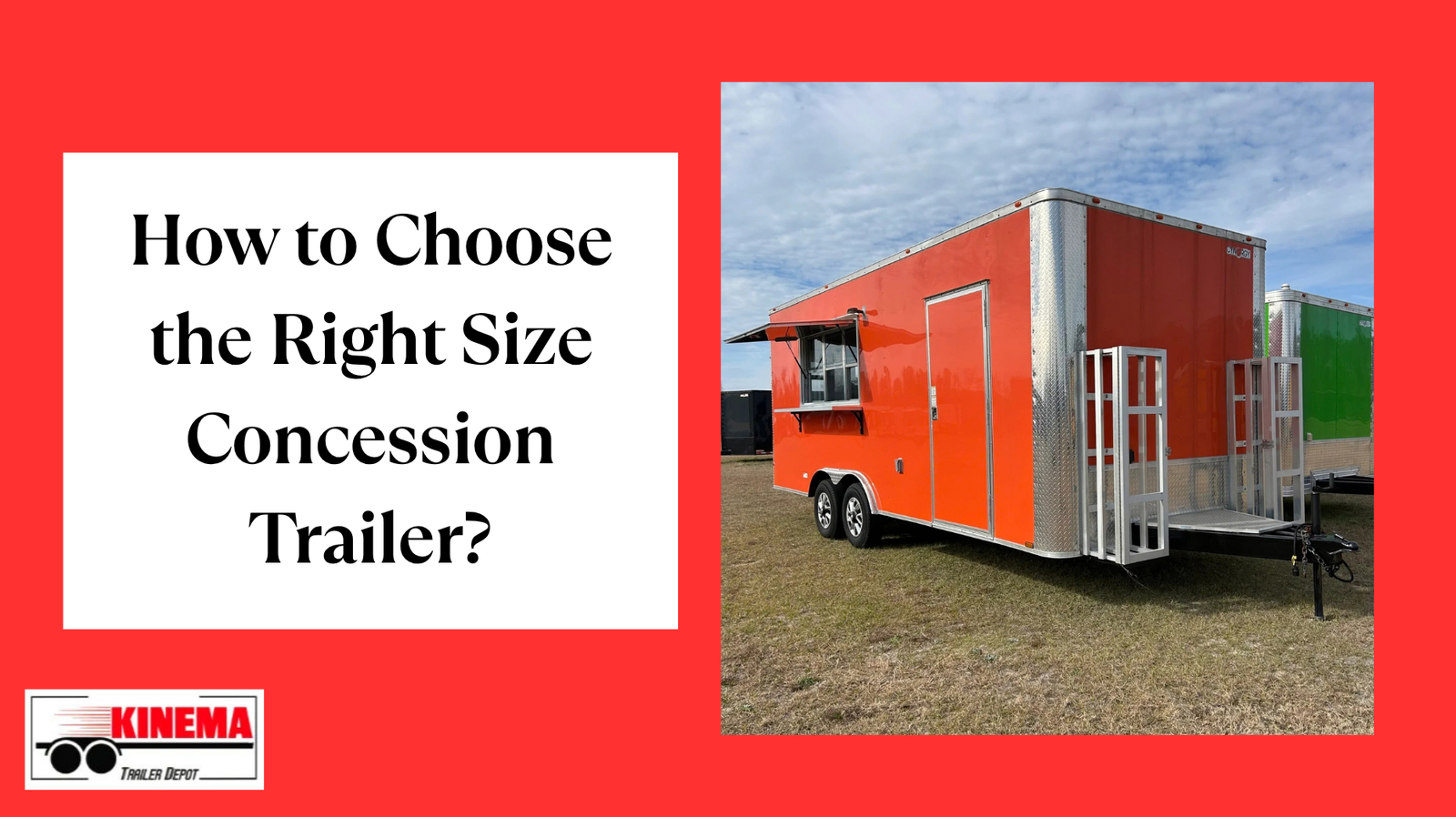

How to Choose the Right Size Concession Trailer?
Summary Choosing the right concession trailer size depends on more than the trailer’s dimensions. Your menu, cooking equipment, number of employees, storage needs, workflow, tow vehicle, operating location, and future growth should all influence your decision. Kinema Trailer Depot offers a range of concession trailers, from small units to large commercial trailers. The right choice…
-
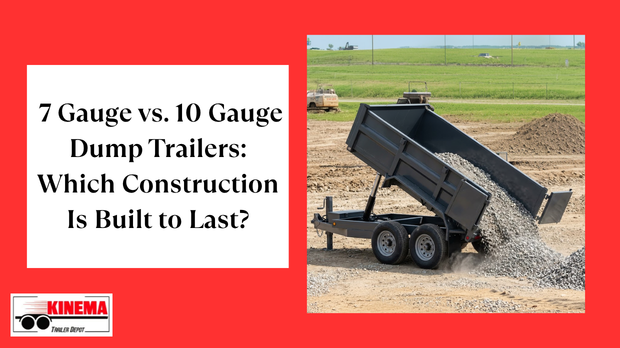

7 Gauge vs. 10 Gauge Dump Trailers: Which Construction Is Built to Last?
When shopping for a dump trailer for any number of heavy-duty applications – construction, landscaping, farming, demolition and hauling – the steel thickness makes all the difference. Beyond weight, the trailer must withstand multiple load cycles, harsh environments, rough handling, gravel impacts, weather changes, long hours, and the rigours of a demanding work environment.That’s why…
-
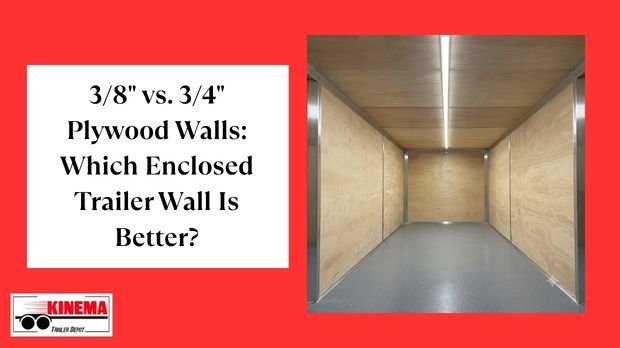
3/8″ vs. 3/4″ Plywood Walls: Which Enclosed Trailer Wall Is Better?
When purchasing an enclosed trailer, wall construction may be the last thing on your mind. Trailer size, axle capacity, ramp doors, brakes, and cost often take precedence. However, an enclosed trailer’s interior wall construction can affect it over time.But plywood thickness can make a big difference, too. You have two versions available: 3/8″ and 3/4”.…
-
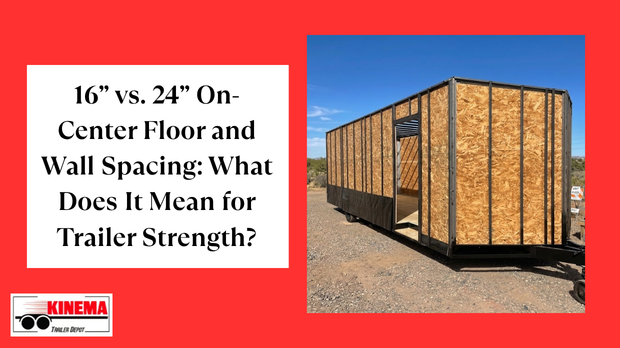
16” vs. 24” On-Center Floor and Wall Spacing: What Does It Mean for Trailer Strength?
When you’re shopping for a trailer, the big, easy numbers come to mind first, and those should be your first focus: GVWR, payload capacity, axle rating, trailer size, and steel thickness. But there’s a lot more detail you should pay attention to.Another specification you must look for is on-center spacing, often called O.C.You might see…
-
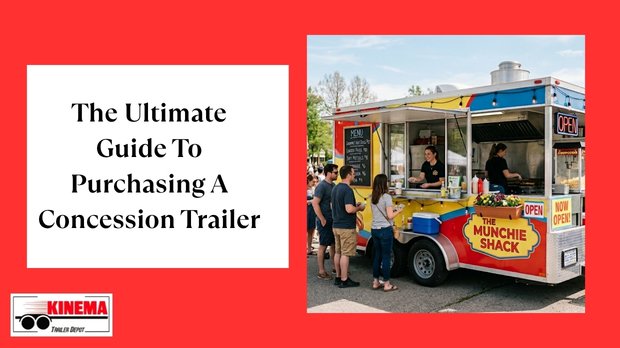
The Ultimate Guide To Purchasing A Concession Trailer
A mobile food business can be a highly rewarding venture. It may involve making hamburgers for local events, selling roadside beverages, owning a truck-style restaurant, or participating in events and festivals with your menu. At the same time, a concession trailer can be a big investment, so you want to avoid buying the first trailer…
-

Mobile Pet Grooming Trailer Sizes in Douglas, GA: Which one is Best for You?
Choosing the right size is one of the most crucial decisions you’ll make when purchasing a mobile pet grooming trailer. If you make the wrong choice, you will either find yourself running out of space every day or pulling around a trailer that’s much bigger than necessary. Make the right choice, and your mobile pet…
-
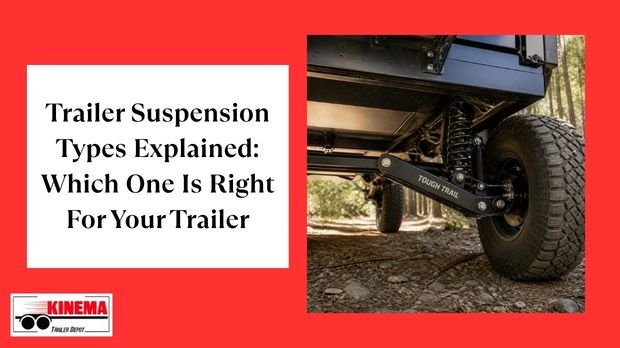
Trailer Suspension Types Explained: which one is right for your trailer
When buying a trailer, many buyers concentrate on the axle configuration, payload capacity, or even cargo limits. But most people don’t realize that the suspension system is an important part of the equation. A poor suspension system can directly affect cargo protection, tire wear, the trailer’s lifespan, and, most importantly, the vehicle’s stability. Whatever your…
-
Understanding Trailer Axle Weight Limits and Load Capacity
Commercial trailer axle weight limits in the United States stand at about 80,000 pounds on interstate highways. The single-axle limit is about 20,000 pounds, and the tandem-axle limit is around 34,000 pounds. Small personal trailers often range between 2,000 and 10,000 pounds. You must know your vehicle’s towing limit in order to properly hitch it.…