








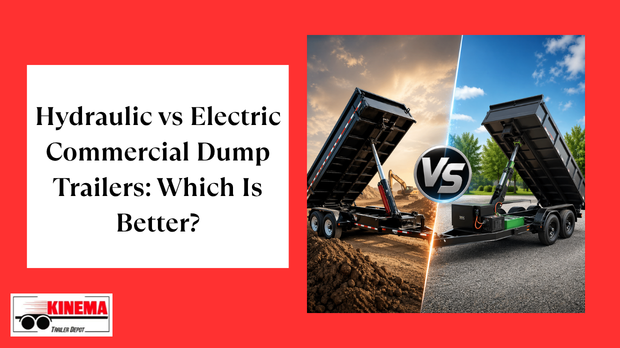
If you’re in construction, agriculture, or heavy logistics, choosing the right dump trailer isn’t just a technical decision—it directly impacts efficiency, cost, and daily operations. The debate around Hydraulic vs Electric Commercial Dump Trailers comes down to power, reliability, and usage needs.
Both systems are widely used across commercial dump trailers, but they function very differently. Let’s break it down in a practical, no-nonsense way so you can choose what actually fits your workload.
Understanding How Each System Works
Hydraulic Dump Trailers
Hydraulic systems use pressurized fluid to lift and tilt the trailer bed. A hydraulic pump pushes fluid into cylinders, generating strong lifting force.
- Known for high lifting power
- Used in heavy duty dump trailers
- Ideal for industrial and construction environments
Hydraulic systems are widely used because they deliver consistent force even under heavy loads.
Electric Dump Trailers
Electric dump trailers use electric motors or actuators to raise the bed instead of hydraulic fluid systems.
- Simpler mechanism
- Lower maintenance
- Best for lighter loads
Some systems combine electric motors with hydraulic pumps (electro-hydraulic), but pure electric setups are typically less powerful.
Real-World Equipment Examples
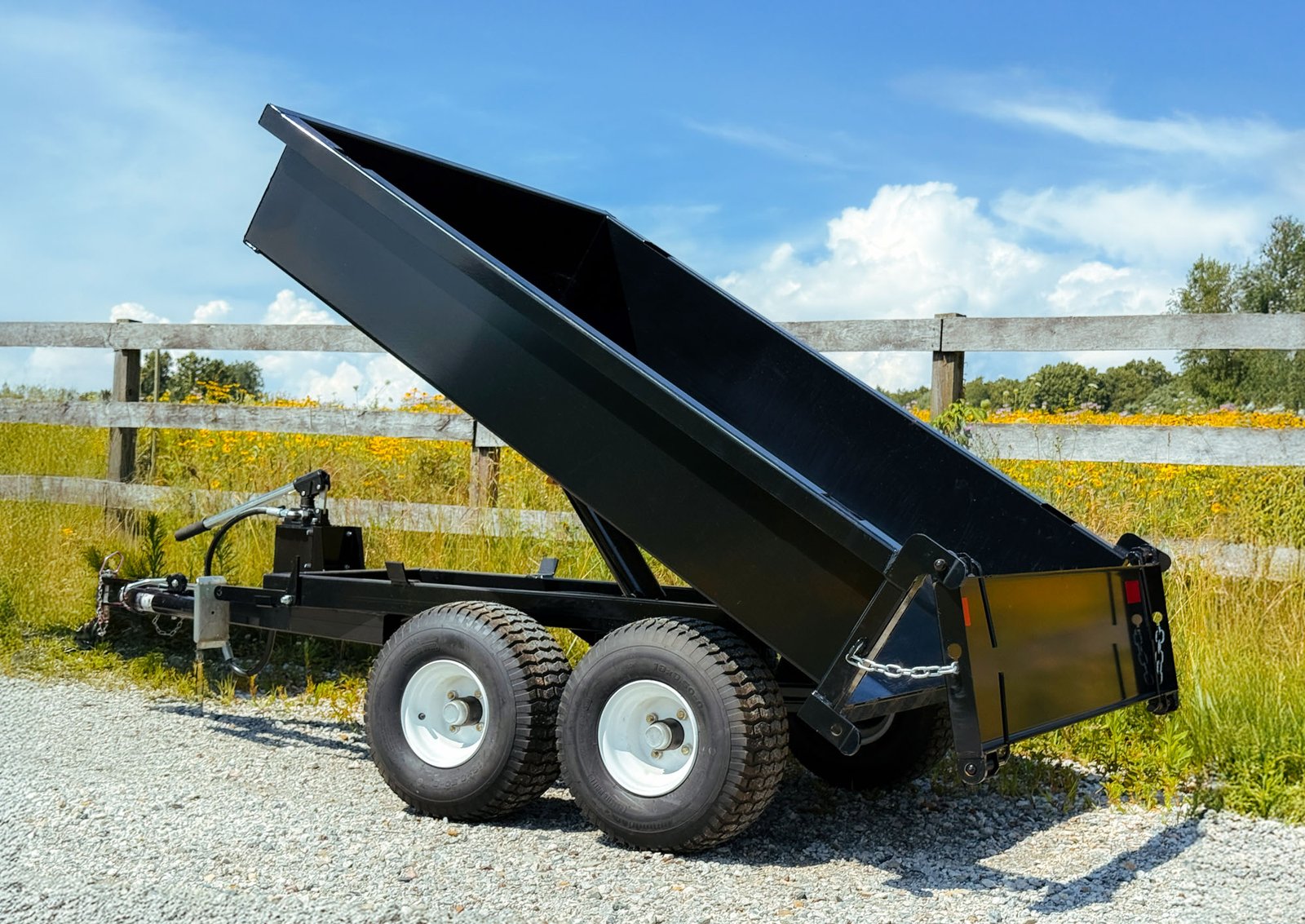
Industrial-Grade Hydraulic Trailer
Industrial Rear Dump Semi-Trailer for Mining & Construction Use · ₹8,69,118.22
Heavy-duty industrial dump trailer built for large-scale construction and mining operations.
This is a classic example of industrial dump trailers designed for extreme loads. These rely heavily on hydraulic systems for consistent performance in demanding environments.
Electric + Hydraulic Power Unit (Hybrid System)
Fisters Hydraulic Power Unit 15 Quart Double Acting Pump · ₹77,805.13
Electric-powered hydraulic unit commonly used in dump trailers for controlled lifting operations.
Most modern “electric dump trailers” are actually hybrid systems using electric-powered hydraulic pumps, offering a balance between convenience and power.
When Hydraulic Dump Trailers Are Better
Hydraulic systems are the industry standard for a reason.
They are best For:
- Construction sites use
- Perfect for Mining operations
- Large-scale agriculture
- Transporting heavy materials like sand, gravel, or debris
Why They Win:
- High lifting capacity of the vehicle
- Reliable under pressure conditions
- Faster unloading cycles
Hydraulic trailers are essential when your work involves serious load handling and daily heavy-duty operations.
Also Read: How Does A Hydraulic Lift For Dump Trailer Work?
When Electric Dump Trailers Make Sense
Electric systems are not weak—they’re just designed for different use cases.
Best For:
- Small contractors
- Landscaping businesses
- Residential or light commercial work
Why They Work:
- Lower cost
- Easier maintenance
- Simpler operation
If you’re not dealing with heavy loads daily, electric trailers can be a practical and cost-effective choice.
The Rise of Hybrid (Electro-Hydraulic) Systems
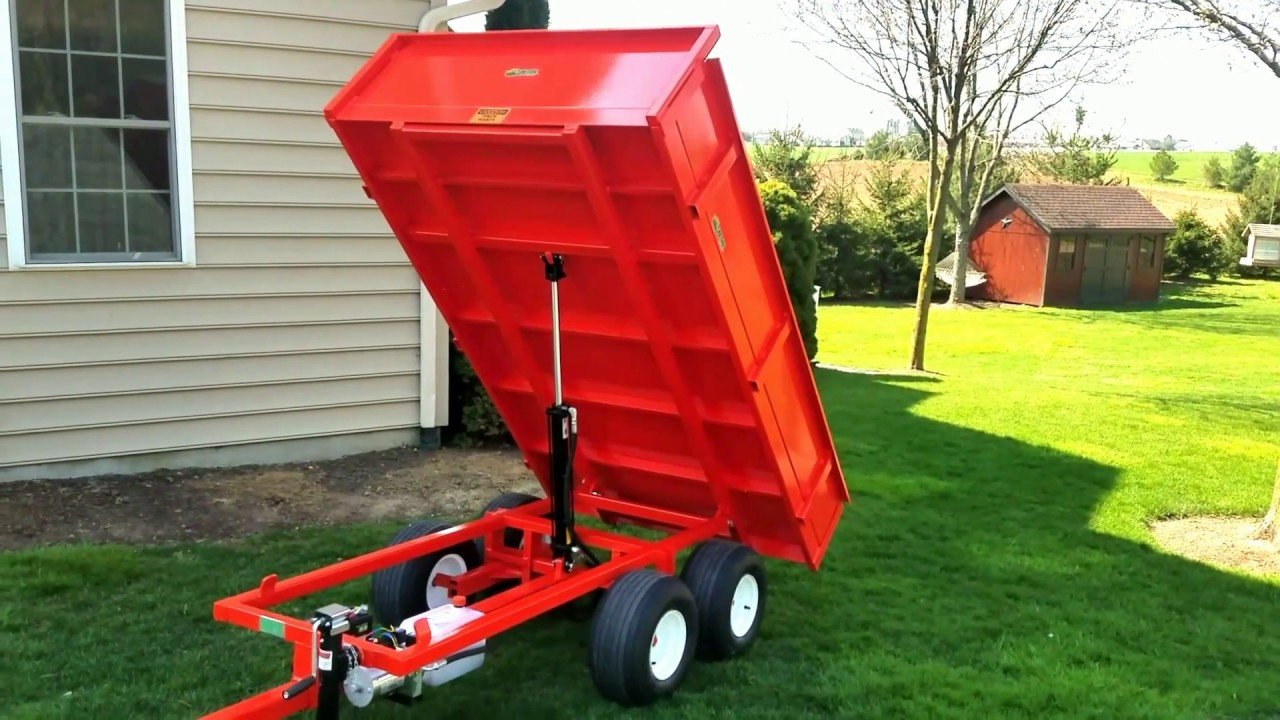
Here’s where things get interesting.
Most modern dump trailers today are neither purely hydraulic nor purely electric—they use electric-powered hydraulic pumps.
- Electric motor powers the hydraulic system
- Combines strength plus convenience
- Common among mid-range trailers
These systems give you:
- Strong lifting force of the trailer
- Push-button control system
- Reduced manual effort
This is why many buyers today lean toward hybrid setups instead of choosing one extreme.
Performance in Heavy-Duty Applications
When it comes to any serious operations, hydraulic systems dominates.
Heavy hauling equipment and trailers rely on hydraulic mechanisms because they can :
- Handle extreme weights
- Maintain stability on the uneven terrain
- Provide consistent force distribution
Electric-only systems simply aren’t built for that level of demand.
Cost vs Long-Term Value
Hydraulic:
- Higher upfront cost
- Lower long-term risk in heavy usage
- Better ROI for large operations
Electric:
- Lower initial investment
- May require upgrades if workload increases
- Ideal for budget-conscious buyers
So, Which One Should You Choose?
Choose Hydraulic If:
- You handle heavy loads daily
- You need reliability in tough conditions
- Your work is industrial or large-scale
Choose Electric If:
- Your workload is light to moderate
- You want lower upfront costs
- You prioritize simplicity over power
Choose Hybrid If:
- You want the best of both worlds
- You need decent power with ease of use
- You’re scaling operations
Final Verdict
There’s no universal “better” option—but there is a right fit.
- Hydraulic systems dominate power and durability
- Electric systems win in simplicity and affordability
- Hybrid systems are the modern middle ground
For most businesses dealing with serious workloads, hydraulic (or electro-hydraulic) trailers are the safer long-term investment. But if your needs are lighter, electric trailers can get the job done without unnecessary complexity.
FAQs
Are hydraulic dump trailers more powerful than electric ones?
Yes, hydraulic systems provide significantly higher lifting capacity, making them ideal for heavy-duty work.
Do electric dump trailers use hydraulics?
Many modern electric dump trailers use electric-powered hydraulic systems for lifting.
Which type is better for construction work?
Hydraulic dump trailers are better suited for construction due to their strength and durability.
Are electric dump trailers cheaper?
Yes, they generally have a lower upfront cost compared to hydraulic systems.
Can electric dump trailers handle heavy loads?
They can handle moderate loads but are not ideal for extreme heavy-duty applications.
About Author: