








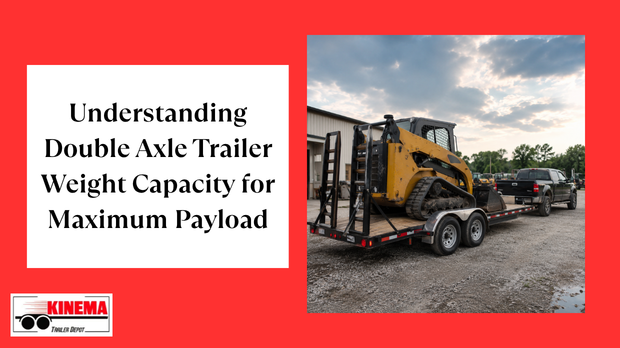
If you move around with equipment, machinery, trucks, or any bulky material frequently, knowing about the weight capacity of a double axle trailer becomes more than important; it is mandatory. Overloading a trailer can not only be hazardous but also very costly for you. This article will cover everything about the weight capacity of double axle trailers.
What Is a Double Axle Trailer?
A double axle trailer or tandem axle trailer has two axles that are located near the rear of the trailer. As opposed to single axle trailers which provide support for one axle, tandem axle trailers are spread over two axles. This design achieves a huge boost in stability, braking and overall load carrying.
Tandems are capable of being mounted on utility trailers, car haulers, equipment trailers, flatbeds and enclosed cargo trailers. They are the ideal option whenever you need to transport heavier loads than can be carried by a single axle.
Why Double Axle Trailer Weight Capacity Matters?
Double axle trailer weight capacity is the most weight the trailer is designed for & rated to safely carry. Then tyres can blow out, frame loads up, brakes fail and accidents occur. Can also mean harsh penalties during DOT inspections and coverage may be lost in case of an accident.
The first step to safe and efficient hauling is knowing your trailer’s capacity. It gives you protection on your investment and helps ensure compliance to state and federal laws.
Key Terms You Must Know
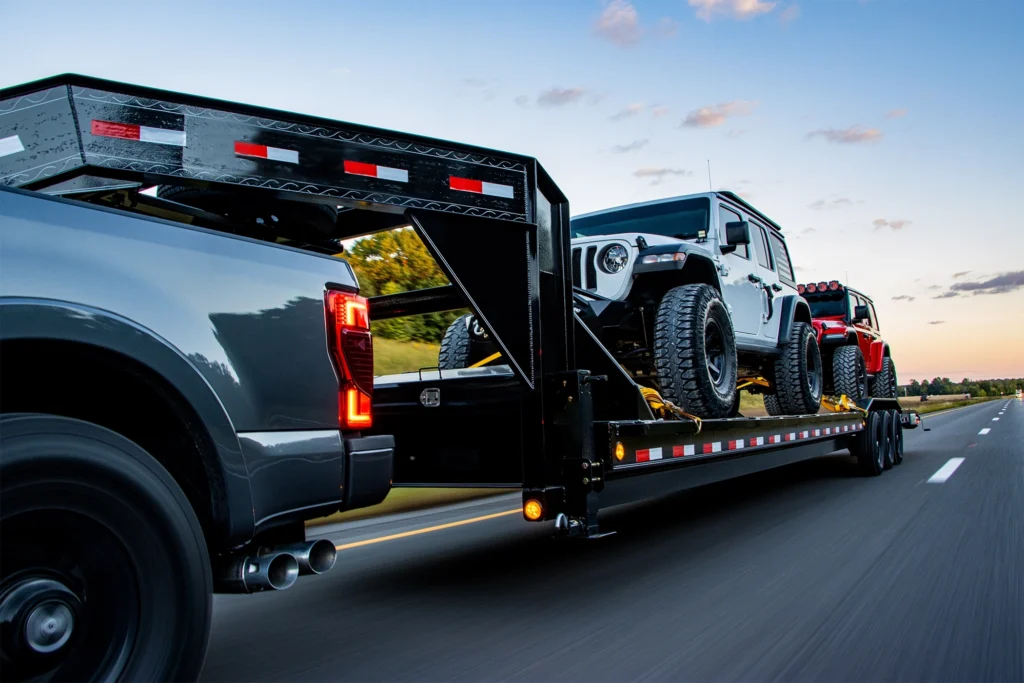
However, before involving numbers let’s clarify the main vocabulary:
- GVWR (Gross Vehicle Weight Rating): This refers to the maximum total weight for the truck, trailer and cargo. The most important number to know is the tandem axle trailer GVWR number, which is determined by the manufacturer.
- Payload Capacity: This is the weight that you can load on to the trailer. This is equal to GVWR minus the empty weight (curb weight) of the trailer.
- Axle Rating: All axles have a weight rating. If the tandem axles are on a dual axle trailer, the weight limit may be considered to be the sum of the limitations on both axles.
The downward force that the trailer exerts on the rear midsection of your tow vehicle is known as the “tongue weight.
Typical Double Axle Trailer Weight Capacity Ranges
The weight ratings of the axles, type of trailer, type of construction of the trailer frame and tire ratings all play a role in the double axle trailer weight capacity. In general:
- Light Duty Tandem Axle Trailers: These units normally feature two 3500lb axles for a total axle capacity of 7,000 lbs. Typical tandem axle trailer GVWRs range from approximately 7,000 lbs and trailer load ranges from 5,500 lbs up to 6,500 lbs.
- Medium-Duty Tandem Axle Trailers: They are equipped with two 5,200 lb to 6,000 lb axles; the combined capacity of the tandem axles is 10,400 lb to 12,000 lb. Mostly used with car haulers and bigger utility trailers.
- Heavy-Duty Tandem Axle Trailers: These are commercial grade trailers with 2 7,000- to 10,000 lb axles. The units can weigh up to 14,000 to 20,000 lbs or more on the utility trailer. They are designed to build heavy duty, multi car and commercial applications.
How to Find the Exact Weight Limit of Your Trailer
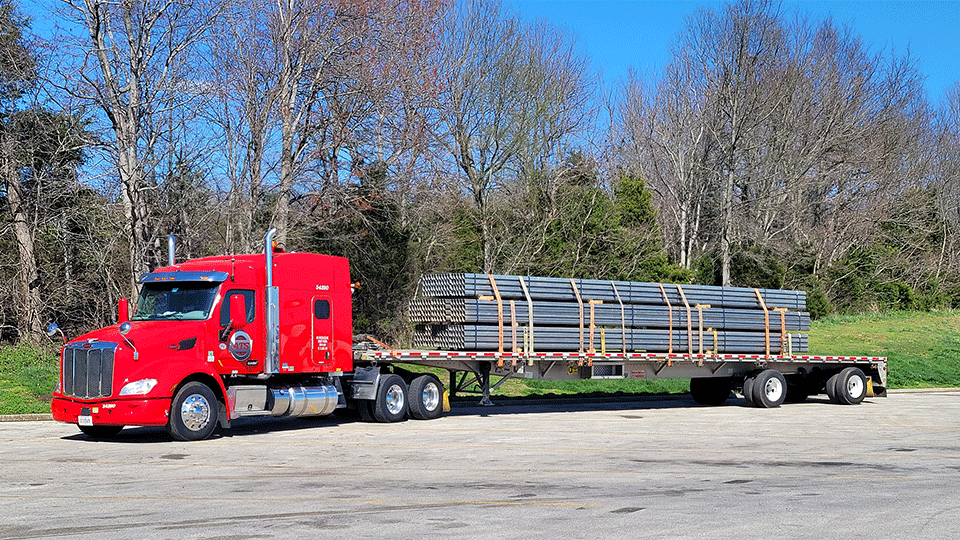
Don’t estimate the capacity of your trailer. This is a way to verify it correctly:
- Look at the VIN Plate and Certification Label: All U.S.-made trailers must have a VIN Plate and a Certification Label which is typically on the driver’s side corner at the front of the trailer. This label includes the GVWR, axle ratings and yet tire ratings.
- Check the Owner’s Manual: This manual includes specifications such as “max payload,” “tongue weight limits,” and “recommended tire pressure at various loads.
- Call the Manufacturer: If the label has been worn out or is not present, contact the manufacturer with your trailer’s VIN to get a copy of the original label.
- Check the Actual Loaded Weight of your loaded trailer: After loading the trailer, go to any city, town or public scale at the weigh station on a road or highway to verify that the actual loaded weight of the trailer is not within the tandem axle trailer weight limit.
Analyzing Factors that Affect Tandem Axle Capacity
It’s not all about the rated double axle trailer weight capacity. There are a few real life considerations that affect towing capacities.
- Axle Rating vs. Tire Rating: Your axle might rate for 7000 lbs but if your tires only rate for 5000 lbs total, you will be stuck with 5000 lbs. Never overload the tyres to more load or higher tire speed rating than the axle rating.
- Tow Vehicle Capacity: Your trailer is only as Useful as your tow vehicle. All of the tow vehicle rated towing capacity, payload and tongue weight limit should be checked and respected.
- State weight laws: Governing the weight of non-commercial and commercial trailers on public roadways. State law can require the tandem axle trailer weight to be less that the manufacturer rating in some jurisdictions.
- The age and condition of the trailer: The technically-listed capacity might not be capable of being achieved with the trailer due to old bearings, worn suspension components, or frame fatigue. Regular Maintenance Inspections are obligatory.
- Weight Distribution: Problem load distribution within the legal limits can result in unsafe transfer of weight from the trailer to the truck, excessive dead weight distributed on one side of the load, or too heavy a tongue. Never distribute loads unequally sideto-sidely or fore/aft.
Double Axle vs. Single Axle: Which Should You Choose?
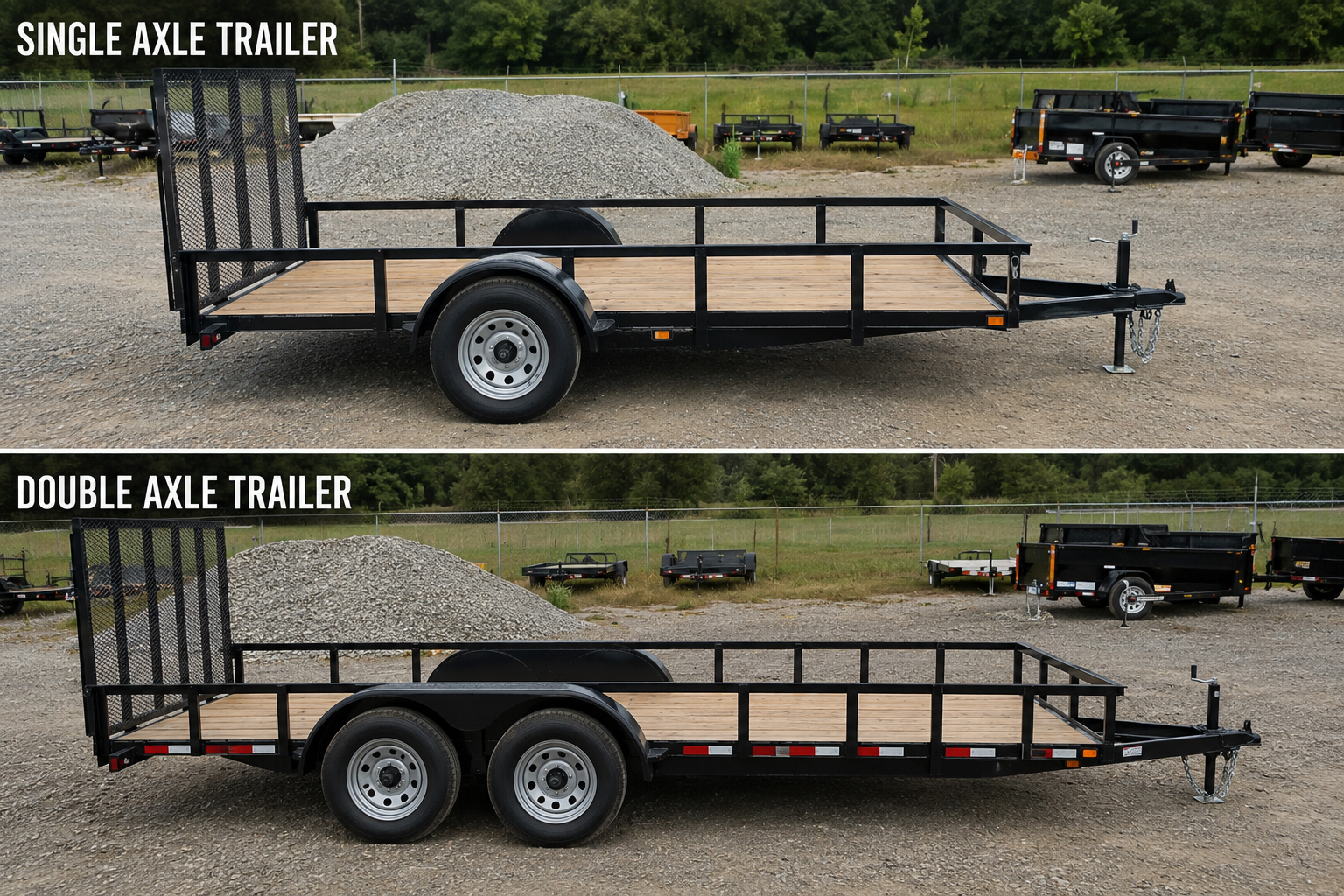
If it is light and occasional loads less than 4,000 lbs and in areas that have limited maneuvering, a single axle trailer might suffice. The dual axle trailer weight capacity advantage does show itself, however, when pulling on a regular basis near or over that limit.
Tandem axle trailers also provide greater reliability of braking, minimum trailer rollover, redundancy in tyre usage (e.g if one tyre wears or does not have a rim wheel, then the trailer will still carry the load due to the second axle), and payload capacity is much higher. If you are a professional or frequent hauler, it’s almost always preferable to the tandem investment in the long term.
You Must Also Read: Single Axle vs Tandem Axle Utility Trailers: Difference
Common Mistakes that Haulers Make
One problem many haulers have is that they only consider how much the items they load onboard the trailer weigh, but fail to also consider the trailer’s curb weight. Some people simply take a typical assumption that if you can tow your tow vehicle as much as that vehicle will take that is just the way it is. Others don’t bother to consider the tongue weight, thus creating dangerous imbalance within the load despite having all of the specs met.
Often people connect to the dual axle trailers’ weight capacity without checking tire ratings, and they may be the weak link in the load carrying line. Always inspect every rating (axle, tire, hitch and tow vehicle).
Final Thoughts
Successfully managing the double axle trailer capacity is the first step in safe, legal and efficient hauling. Whether moving equipment, hauling vehicles or even moving materials on a jobsite, properly understanding your tandem axle capacity and honoring all the rated limits within your tandem system keep you compliant, prevent losses and save lives.
Make sure the loads are distributed correctly, ensure your pick-up is suitable for the load, check the GVWR of your trailer before loading, and perform maintenance checks regularly prior to use. It’s one of the most versatile and dependable tools a hauler can own when its the well-matched, well-maintained tandem axle trailer.
FAQs
Q1. How much can an average double axle trailer carry?
Generally, tandem axles are used on trailers with a 7,000 to 14,000 lbs GVWR on the axles. Light-duty models run at about 7,000 lbs, heavy-duty units top out at 20,000 lbs.
Q2. How to determine the tandem axle trailer weight allowable?
Inspect the certification label on the trailer’s frame or read the owner’s manual, or call the manufacturer with your vehicle identification number (VIN). A public scale may also be used to measure the weight of the loaded trailer for verification.
Q3. May I exceed GVWR if it is a vehicle that I can tow?
No. Each trailer manufacturer sets the GVWR and it can NOT legally be exceeded by any tow vehicle. Warranties will be given for overloads, fines will be imposed, and safety will be extremely hazardous.
Q4. What do tandem axle capacity and payload capacity have to do with each other?
The combined rating of the axles is called tandem axle capacity. Payload capacity = GVWR – Trailer curb weight = The actual weight of cargo you are legally allowed to carry. Payload is NEVER greater than the rated axle capacity.
Q5. Does trailer weight limit change by state?
Yes. Lower weight limits for public roads than the manufacturer’s may be set by the state. Before transporting heavy weight equipment, be sure to research the regulations of each State you will be crossing.
About Author: