








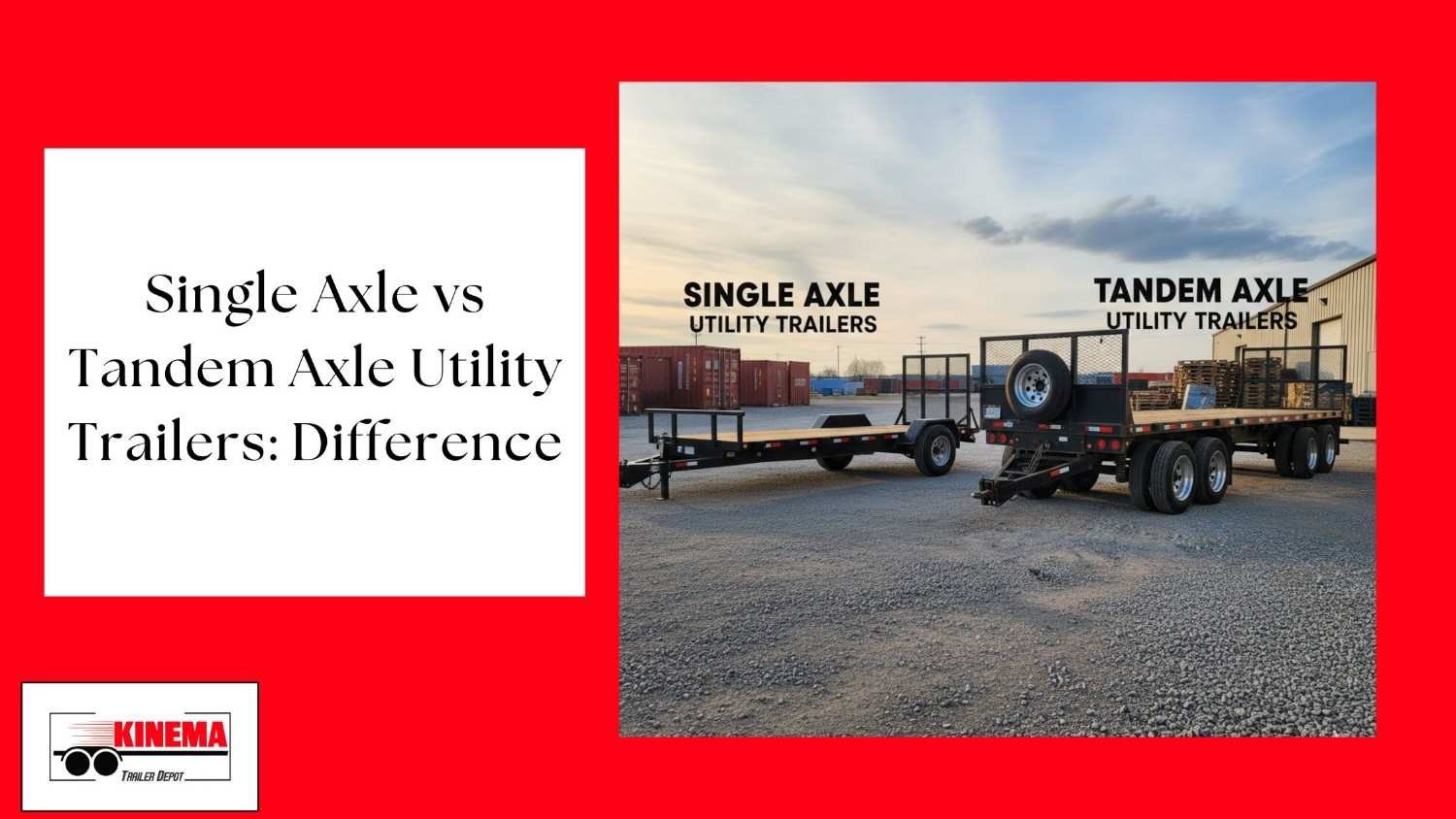
Choosing between single axle vs tandem axle utility trailers can feel like a big decision, especially if you want something that fits your hauling goals without creating unnecessary stress on your vehicle, your budget, or your own peace of mind.
A lot of people jump in based on price alone, but the real difference shows up when you start towing on highways, stacking equipment, or navigating through tight turns during a busy day.
If you want clarity, you came to the right place because this guide lays everything out in a calm, conversational way without confusing jargon.
Utility trailers have grown in demand over the past decade as more people take on DIY tasks, landscaping projects, mobile jobs, and small business ventures.
According to recent data, the global market for trailers is set to rise above $132.7 billion by 2034.
That growth is not slowing down, which means the conversation around choosing the right trailer is more relevant than ever.
The difference between single axle setups and tandem axle setups might seem simple at first glance, yet there are meaningful factors that influence towing experience, safety, load capacity, and long term value.
Let’s talk about it like two people figuring out a practical decision together, not like a sales pitch.
What Is a Single Axle Utility Trailer?
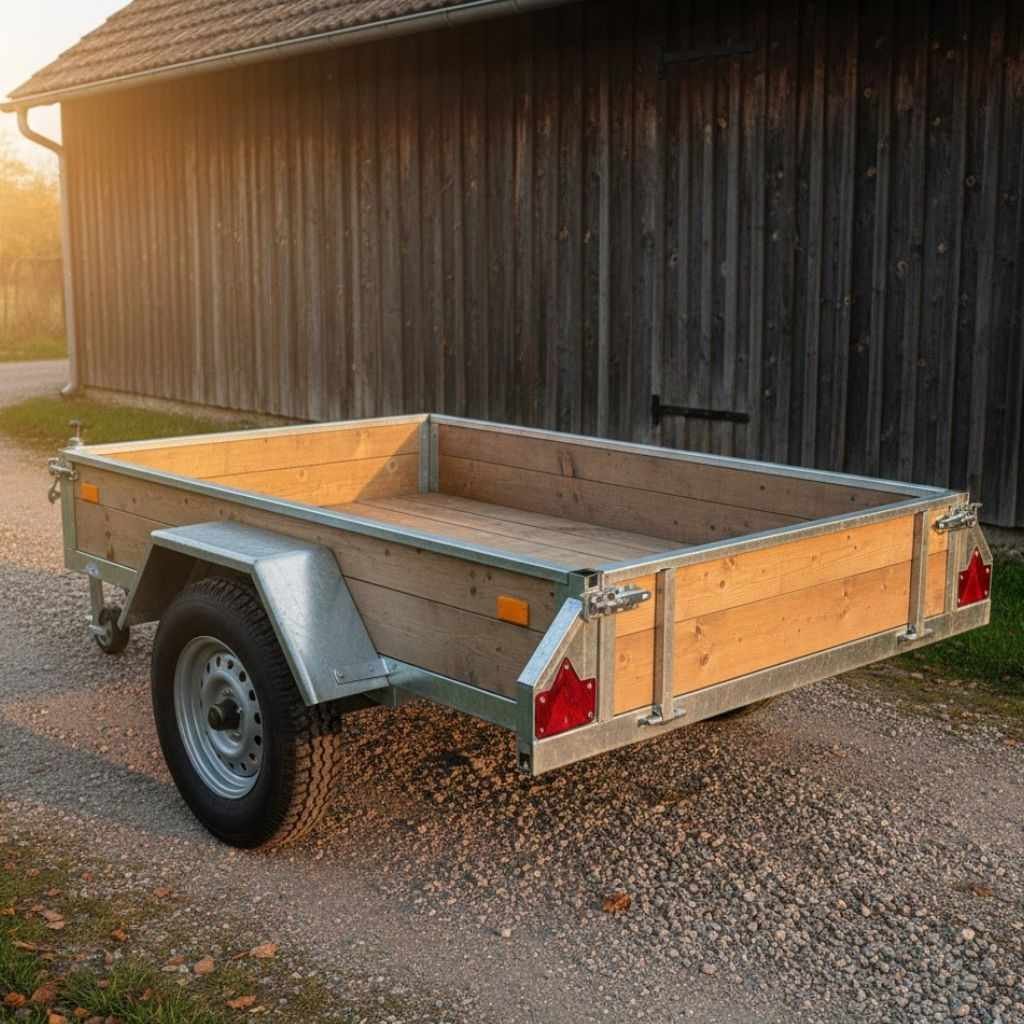
A single axle trailer uses one axle with a wheel on each side.
That simple structure creates a lightweight frame, often easier to tow and more appealing for casual users.
These trailers usually stay in the 5 foot to 12 foot range, which works well for homeowners, hobbyists, landscapers starting out, and anyone who needs to haul moderate loads.
Typical load capacity for single axle utility trailers sits between 1,000 and 3,500 pounds depending on configuration and materials.
Many users love them because they feel manageable, especially for those who do not tow every day.
Backing up, parking, and navigating in small areas feels less intimidating for beginners.
Advantages of Single Axle Trailers
• Lower purchase price
• Less weight, which helps fuel costs
• Simple to tow for beginners
• Easier to handle in driveways and small job sites
• Only two tires, meaning lower replacement costs
Disadvantages of Single Axle Trailers
• Limited load capacity
• Tires take more weight per wheel
• Less steady towing at higher speeds
• Some models come without brakes
• More bounce on uneven surfaces
People choosing between single axle vs tandem axle utility trailers often start here because single axle trailers appeal to those who want convenience and affordability without complications.
What Is a Tandem Axle Utility Trailer?
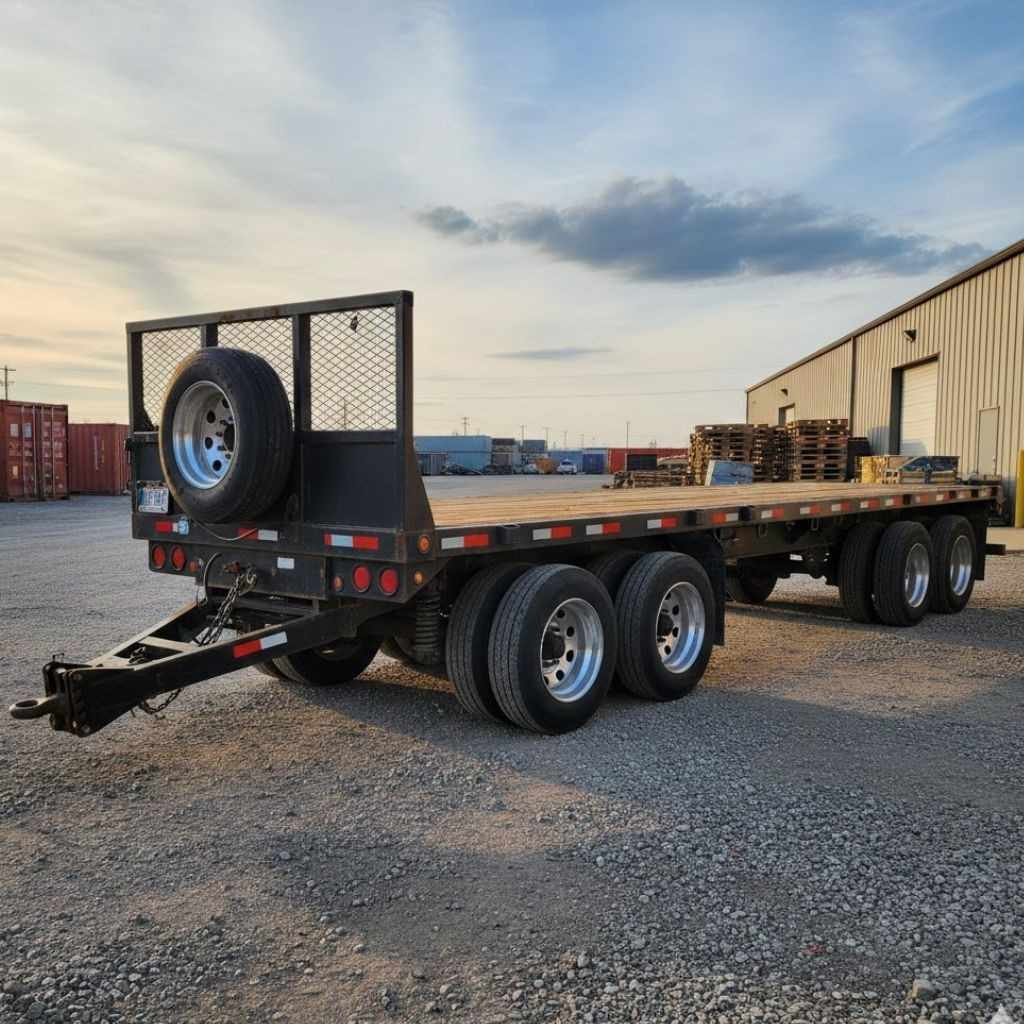
A tandem axle trailer uses two axles, positioned one behind the other.
This setup spreads the load across four wheels, making the trailer far more capable of handling heavy equipment and longer hauls.
These trailers typically start around 12 feet and extend up to 20 feet or more.
Typical load capacity ranges from 3,500 to 7,000 pounds per axle set depending on construction.
Many commercial operators rely on tandem axle models because they feel steady even when carrying weight near capacity.
Advantages of Tandem Axle Trailers
• Higher load capacity
• Smoother towing on bumpy terrain
• Better stability at highway speeds
• Often includes braking systems
• Four tires share the weight more evenly
Disadvantages of Tandem Axle Trailers
• Higher upfront cost
• Extra tires mean more eventual maintenance
• Heavier, which may require a stronger tow vehicle
• Tight residential areas are more difficult to navigate.
Those comparing single-axle vs tandem-axle utility trailers often lean toward tandems when reliability and load capacity matter more than maneuverability.
Single Axle vs Tandem Axle Utility Trailers: Key Differences
To help you decide confidently, here is a practical breakdown designed for quick reading and clear insights.
1. Load Capacity
- Single axle: usually 1,000 to 3,500 pounds
- Tandem axle: usually 3,500 to 14,000 pounds
Studies in towing safety show that trailers carrying 70 percent or more of their rated load benefit significantly from extra axles.
Tandem setups reduce stress on each component, giving you more consistent performance.
2. Towing Stability
- Single axle trailers can sway more, especially in windy conditions or when carrying bulky items.
- Tandem axles create a more grounded feel, almost like the trailer hugs the road.
3. Ride Smoothness
- Single axles bounce more, while tandem axles distribute shock.
- Users hauling fragile items tend to prefer tandems for this reason.
4. Maintenance Costs
- Single axle: fewer parts, fewer tires
- Tandem axle: more parts, more tires
Though tandem trailers cost more over time, the improved performance may justify the expenses for some users.
5. Maneuverability
- Single axle trailers shine in neighborhoods, parking lots, and tight job sites.
- Tandem axles require more space to turn and park.
6. Hauling Distance
For short errands or one time tasks, single axles are often enough.
For cross-county trips or professional hauling, most people feel safer with tandem models.
Which Trailer Should You Choose? A Friendly Decision Guide
Here is a simple way to decide based on your actual use cases. No fluff, just clarity.
Choose a Single Axle Trailer If You:
• Haul lighter loads like lawn equipment, household items, or small tools
• Tow occasionally rather than daily
• Have a smaller tow vehicle
• Want a lower purchase price
• Move through residential areas frequently
• Prefer easier parking and turning
Choose a Tandem Axle Trailer If You:
• Carry heavy equipment like tractors, ATVs, or building supplies
• Tow long distances at highway speeds
• Want stability for unpredictable weather
• Need extra braking power
• Run a business relying on daily hauling
• Expect to upgrade equipment in the future
Many people researching single axle vs tandem axle utility trailers discover that their long term goals point them in one direction.
Saving money upfront sounds great, but paying attention to daily use usually brings the right choice into focus.
Cost Breakdown: What You Can Expect
Pricing varies widely across brands and regions, yet some general trends hold true.
1. Single Axle Trailer Pricing
- Most fall between 800 and 2,200 dollars.
- Upgrades like mesh sides, ramps, or treated wood can push the cost higher.
2. Tandem Axle Trailer Pricing
- Most fall between 2,500 and 6,000 dollars.
- Heavier models, ramps, brakes, and specialty builds can reach higher price ranges.
3. Maintenance Cost Differences
• Single axle tire replacement: average 200 to 300 dollars for a set
• Tandem axle tire replacement: average 400 to 600 dollars for a full replacement
Brakes, bearings, springs, and suspension parts also scale with trailer size and complexity.
How Single Axle vs Tandem Axle Utility Trailers Impact Safety?
Safety should always stay at the front of the conversation.
It does not mean single axles are unsafe, but it highlights the importance of choosing the right configuration for your load.
1. Single Axle Safety Notes
• Ideal for lighter loads
• May sway more in wind
• Braking power sometimes limited
2. Tandem Axle Safety Notes
• Brakes often included
• More stability at higher speeds
• Four wheels lower the chance of a blowout incident
The debate between single axle vs tandem axle utility trailers becomes especially important when safety is part of your decision.
Weight distribution and tire contact points play a huge role in towing confidence.
Conclusion
Choosing between single axle and tandem axle utility trailers comes down to how much weight you plan to haul, how often you tow, and the kind of experience you want on the road.
Both options have their strengths, and the right choice should make your work feel smoother, safer, and less stressful.
If you want something light, simple, and easy to move around town, a single axle setup usually fits the job.
If your days involve heavier loads, longer trips, or busy work schedules, a tandem axle trailer gives you the strength and stability you need.
If you are still unsure which path fits your needs, Kinema Trailers Depot offers guidance along with a wide range of utility trailers designed for practical jobs.
Their team helps you match your hauling style with the trailer that feels right for your long term goals.
Whether you lean toward a single axle model or a stronger tandem axle option, you will find solid choices that support the work you want to accomplish.
Frequently Asked Questions
1. Does a tandem axle trailer pull better than a single axle?
Yes, a tandem axle trailer generally pulls better, especially at higher speeds, on highways, or when carrying heavier loads. With two axles, the trailer stays more stable, distributes weight evenly, and handles bumps more smoothly.
2. What are the disadvantages of a single axle trailer?
Single axle trailers have a few limitations:
– Lower load capacity
– Less stable at high speeds
– More bounce and vibration
– Tire wear
– Limited braking options
3. What are the benefits of a tandem axle trailer?
Tandem axle trailers offer several advantages:
1. Higher load capacity – better for heavy or commercial hauling.
2. Improved stability – reduced sway and better control.
3. Smoother ride – two axles absorb bumps and uneven roads.
4. Better safety – even if a tire blows out, the second axle helps maintain control.
5. Longer tire life – weight is distributed across more wheels.
4. What is better, single or double axle?
It depends on your needs:
Choose Single Axle if:
– You haul light loads.
– You need a compact, easy-to-maneuver trailer.
– You want lower purchase cost and cheaper maintenance.
Choose Tandem Axle if:
– You carry heavy loads frequently.
– You travel long distances or on highways.
– You want more stability, safety, and durability.
5. Does a single axle trailer sway more?
Yes, single axle trailers tend to sway more, especially when:
– Loaded unevenly
– Driven at higher speeds
– Hit by crosswinds
– Pulled by a lighter vehicle
Tandem axles reduce sway because the extra wheels create more balance and stability.
About Author:

Leave a Reply