








Category: Trailers
-
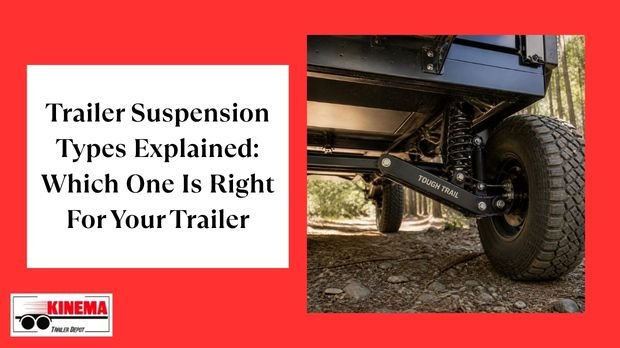
Trailer Suspension Types Explained: which one is right for your trailer
When buying a trailer, many buyers concentrate on the axle configuration, payload capacity, or even cargo limits. But most people don’t realize that the suspension system is an important part of the equation. A poor suspension system can directly affect cargo protection, tire wear, the trailer’s lifespan, and, most importantly, the vehicle’s stability. Whatever your…
-

Understanding Trailer Axle Weight Limits and Load Capacity
Commercial trailer axle weight limits in the United States stand at about 80,000 pounds on interstate highways. The single-axle limit is about 20,000 pounds, and the tandem-axle limit is around 34,000 pounds. Small personal trailers often range between 2,000 and 10,000 pounds. You must know your vehicle’s towing limit in order to properly hitch it.…
-
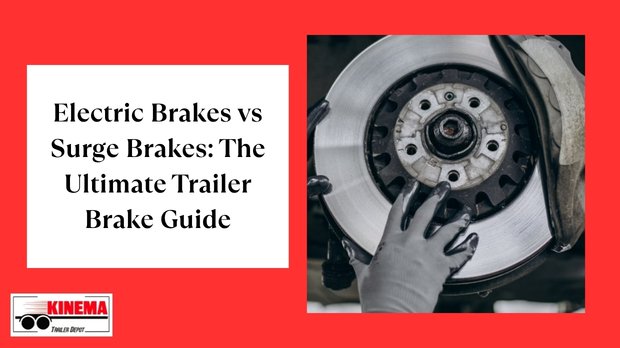
Electric Brakes vs Surge Brakes: The Ultimate Trailer Brake Guide
Every trailer owner knows that when connecting a trailer, the brakes are the most important thing. Brakes help maintain control through stopping power, especially in hazardous road situations. Without trailer brakes, the vehicle’s brakes would be strained as heavy loads push against them, leading to longer stopping distances. Once a trailer exceeds a certain weight,…
-
GVWR vs GAWR Trailer: Understanding Axle Limits and Total Weight Capacity
Key Takeaways What is Trailer GVWR? Although GVWR is attached to different classes of vehicles (i.e., trucks or trailers), its message remains consistent. In effect, GVWR relays two critical things: There is a formula for calculating GVWR. This is extremely useful when passengers and other optional fixtures are involved. How to calculate GVWR? GVWR= Trailer…
-
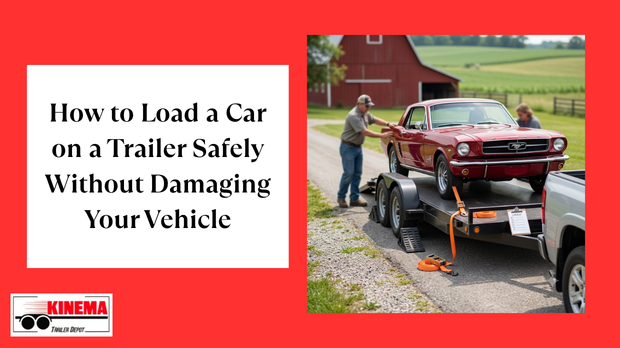
How to Load a Car on a Trailer Safely Without Damaging Your Vehicle
If you have never done it before, loading a car onto a trailer safely can be daunting. The process, however, is simple and requires some vehicle straps and ratchets. Use tire straps if you have a modern, small car. Alternatively, if you have a large car or a model made before 1990, then use axle…
-
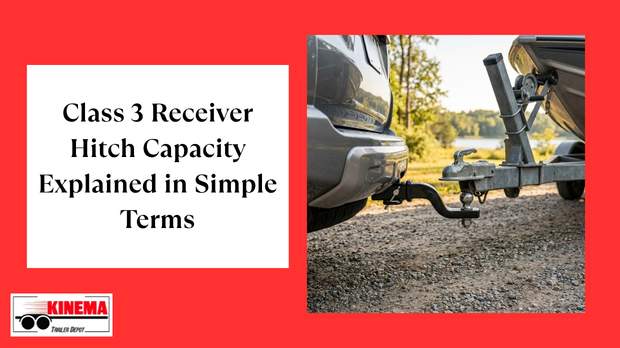
Class 3 Receiver Hitch Capacity Explained in Simple Terms
Class 3 hitches are considered some of the most versatile contraptions of all time. To know how this receiver can benefit you, learn about all the other hitch types and then determine if the class 3 receiver hitch is right for you. Various Hitch Classes Typically, receiver trailer hitches are rated in five classes, from…
-
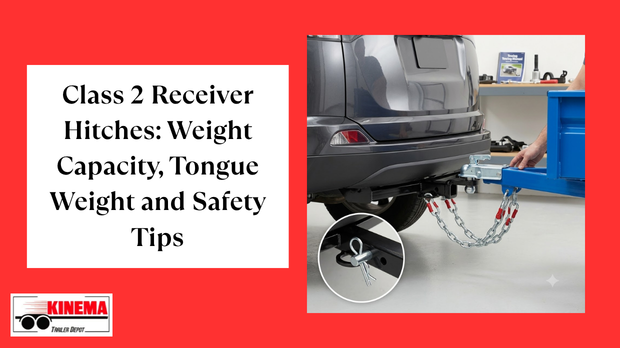
Class 2 Receiver Hitches: Weight Capacity, Tongue Weight and Safety Tips
Towing can get rough if you don’t know your hitch’s weight rating. While it directly impacts your car, you are also at risk of serious accidents and personal injury when you use the wrong hitch. Here’s what you should know about hitches and the advantages of the class 2 trailer hitch in particular. Hitch Weight…
-
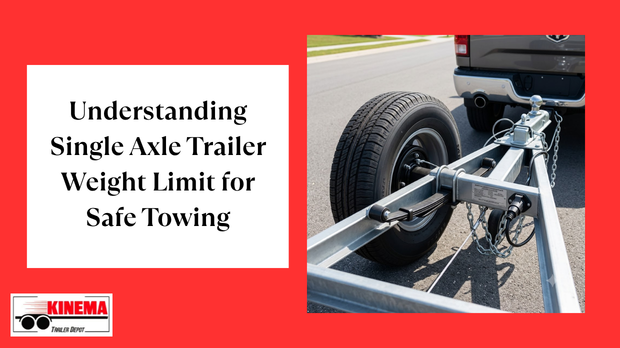
Understanding Single Axle Trailer Weight Limit for Safe Towing
You must have a good understanding of your single-axle trailer’s weight capacity, especially when you have to haul loads safely. Learn how weight limitations work, so that your trailer always stays within regulations and is operated securely. There are certain essential factors to consider when investing in a single-axle trailer. Understand what sets these trailers…
-
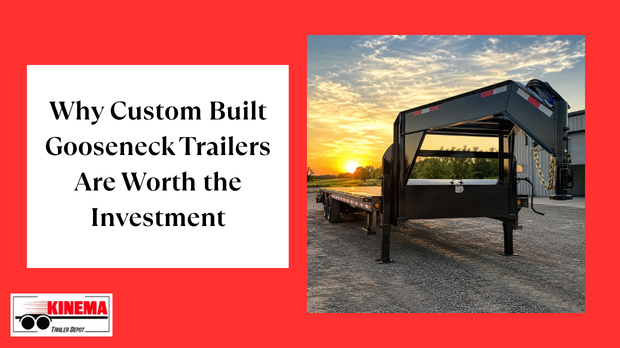
Why Custom Built Gooseneck Trailers Are Worth the Investment
If you’ve been in the hauling business for some time, you will realize that not all trailers are the same. If you’ve ever attempted to use a standard, off-the-shelf trailer for a job it wasn’t built for, you understand the frustration and drama that can ensue. Enter custom built gooseneck trailers, and once you’ve tried…
-
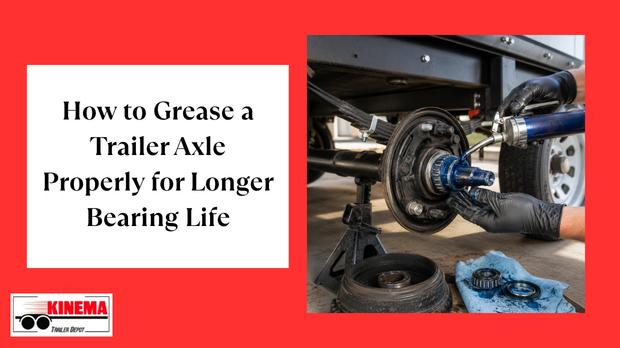
How to Grease a Trailer Axle Properly for Longer Bearing Life
Those who own a trailer know how much of a strain they put it under. Your trailer performs a variety of duties from hauling boats, livestock, equipment and cargo — and, of course, so do its axles. Another aspect of trailer axle care that is often neglected but is of great importance is greasing. If…